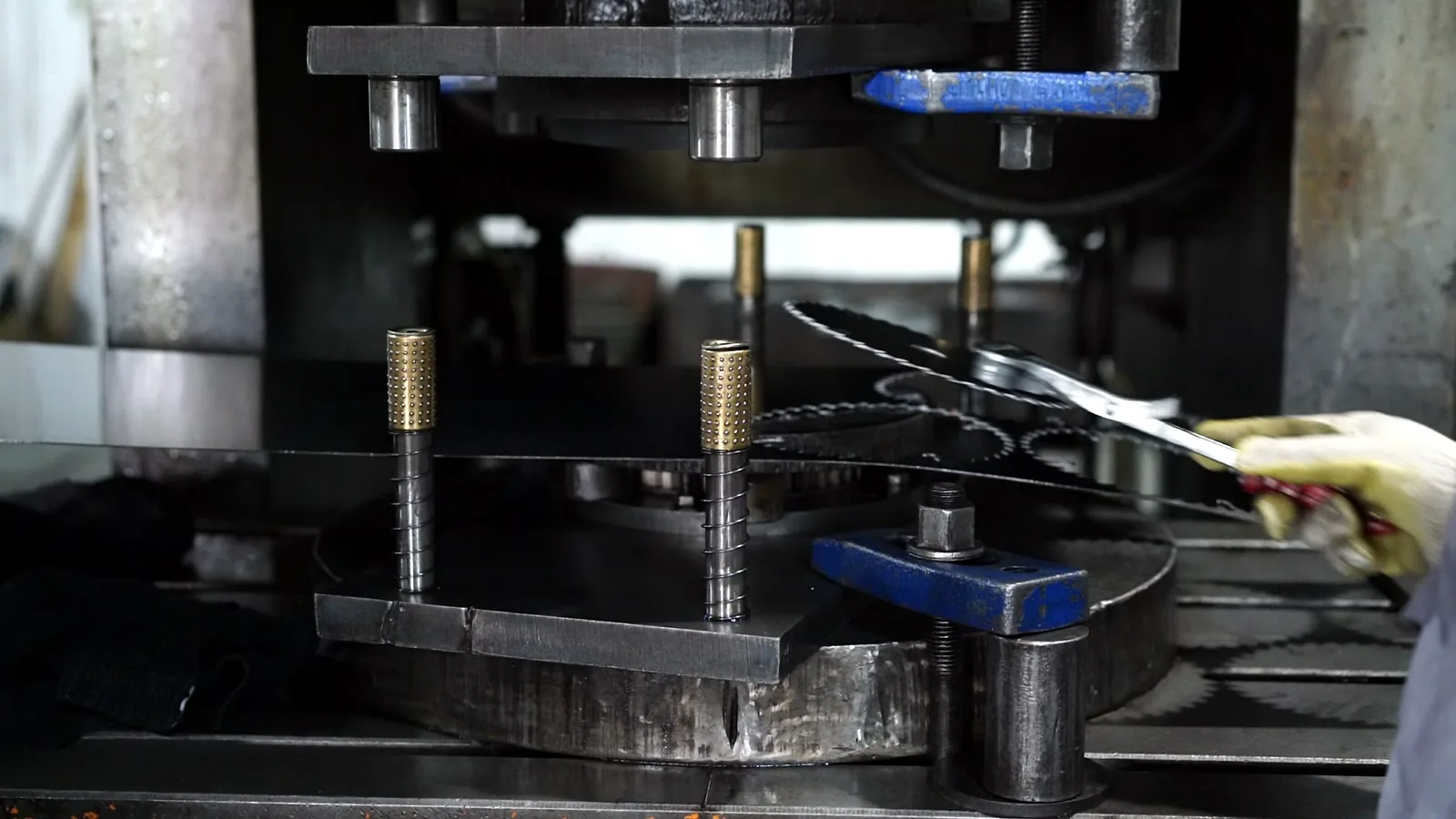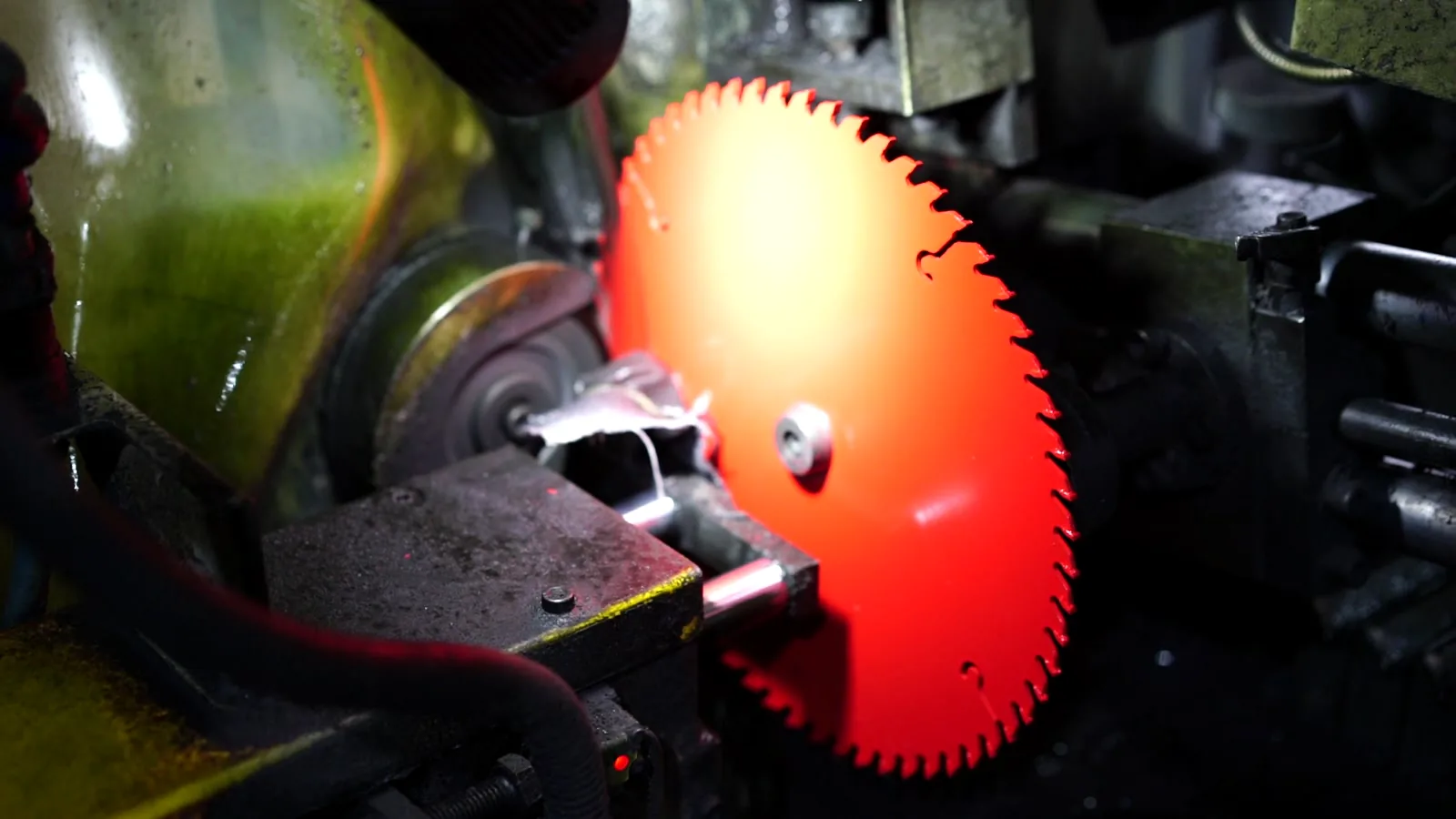
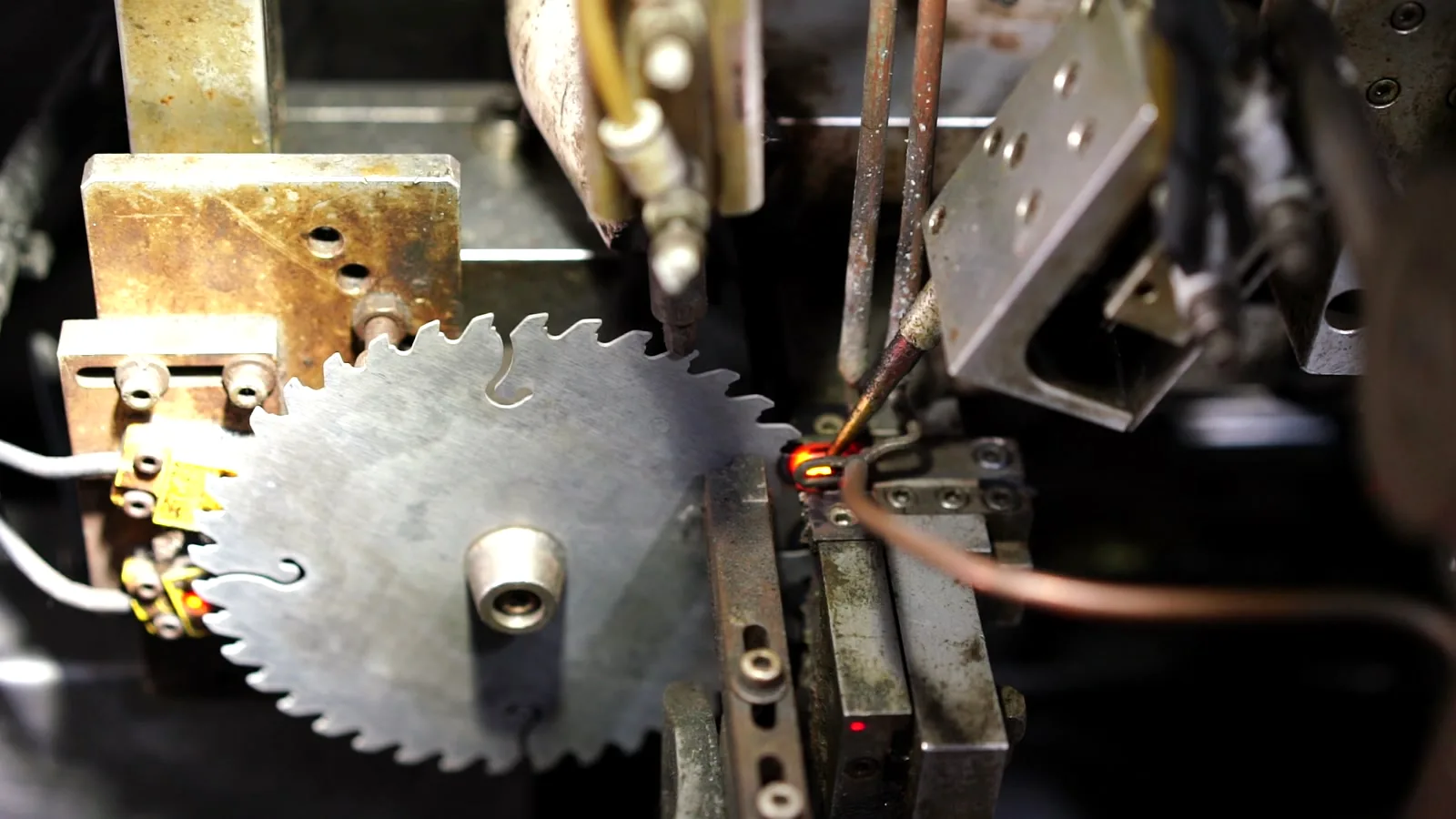
Carbide Tip Brazing
Stable brazing helps control tooth strength and reduces failures during high-volume cutting.
Merged Product Selection Guide
Use this table to match real cutting scenarios with blade material, diameter, kerf, tooth geometry, manufacturing process and product type before requesting a quotation.
Tip: this is a long selection table. On mobile or small screens, swipe left/right to compare all columns.
| Color block | Use scenario | Raw material / workpiece | Diameter / size logic | Tooth geometry | Process / quality focus | Recommended product | Best-fit result | Related guide |
|---|---|---|---|---|---|---|---|---|
| Raw Material / Workpiece | ||||||||
| Color block | Use scenario | Raw material / workpiece | Diameter / size logic | Tooth geometry | Process / quality focus | Recommended product | Best-fit result | Related guide |
| Material | Clean cutting for aluminum extrusion profiles | Aluminum alloy, hollow profile, door/window profile | 250–600mm common; larger diameter for multi-profile bundles | TCG / trapezoid-flat tooth, medium-high tooth count | Polished body, precise grinding, anti-chip adhesion finish | TCT aluminum saw blade | Clean cut, low burr, stable finish for profile factories | TCT Saw Blades Material Guide |
| Material | Fine-finish cutting for aluminum sheet or plate | Aluminum sheet or plate, thin wall sections | Smaller kerf preferred; diameter follows machine guard and workpiece width | Higher tooth count, sharp TCG/modified TCG | Low runout, stable plate, fine grinding | Fine-finish TCT aluminum blade | Better edge finish, less deformation and less secondary deburring | Size Guide Tooth Geometry |
| Material | Large round bar cut-off with controlled kerf loss | Solid aluminum bar, large round bar, thick non-ferrous stock | Large diameter blade; kerf and plate thickness must be balanced | Lower-to-medium tooth count, larger chip space | Tensioning, dynamic balancing, strong body, accurate side clearance | Large-diameter TCT saw blade | Straight cutting with controlled material loss and stable chip evacuation | Large Bar Case Balancing |
| Material | Abrasive aluminum alloy bar cutting | High-silicon aluminum bar, cast aluminum, abrasive non-ferrous alloy | Diameter depends on bar size; thin kerf only if machine is rigid | PCD geometry or durable TCG carbide geometry | PCD brazing/grinding or premium carbide grinding; strict runout check | PCD diamond blade or premium TCT blade | Longer blade life and lower total cost per cut in abrasive aluminum | Material Types PCD vs TCT |
| Material | Soft non-ferrous tube and profile cutting | Copper tube, brass profile, soft non-ferrous material | Thin kerf useful; diameter follows tube OD and cutting machine | Sharp TCG, enough teeth engaged for thin tube | Polished body, anti-adhesion finish, controlled side clearance | TCT non-ferrous saw blade | Clean edge while reducing chip welding and burrs | Material Guide TCT Saw Blades |
| Material | Fast cut-off for mild steel tube lines | Carbon steel pipe, mild steel tube, structural tube | Cold saw diameter matched to machine; tube OD controls tooth count | Higher tooth count for thin wall; cermet/carbine tooth forms | Cermet/carbide brazing, coating optional, runout control | Steel cutting cold saw blade | Fast cutting with controlled burr and stable life | Cold Saw Blades Tube vs Solid Bar |
| Material | Heavy cut-off for solid steel bar | Carbon steel solid bar, round/square bar | Larger diameter and stronger plate; avoid overly thin body | Lower tooth count, larger chip space, stronger tooth design | Heat-treated body, tensioning, strong brazing, accurate grinding | Cold saw blade for solid bar | Better chip evacuation, lower heat, reduced tooth damage | Steel Cutting RPM & Feed |
| Material | Controlled cutting for stainless or harder steel | Stainless tube, harder steel, alloy steel | Machine rigidity decides usable diameter and kerf | Cermet tooth design; tooth count matched to wall thickness | Coating/lubrication, precise grinding, stable body | Cermet or coated cold saw blade | Reduces heat, chipping and premature wear when parameters are controlled | Steel Cutting Coating Options |
| Material | Clean edge cutting for wood and panels | Solid wood, MDF, plywood, laminated panels | Diameter follows table saw/panel saw; kerf depends on power and finish | ATB for clean finish; FTG/rip tooth for faster rough cutting | Sharp carbide, fine top/face grinding, optional coating | TCT woodworking saw blade | Cleaner surface, less tear-out and predictable feed | Material Guide Tooth Geometry |
| Material | Low-melt or low-chip cutting for plastic/composite parts | PVC/UPVC profile, plastic extrusion, composite board | Thin kerf may help reduce waste; diameter follows machine | Sharp TCG/ATB depending on melting and chipping risk | Low-friction finish, sharp grinding, optional PCD for abrasive composites | TCT or PCD multi-material blade | Less melting, less chipping and longer life on abrasive composites | Material Types Material Guide |
| Diameter / Size | ||||||||
| Color block | Use scenario | Raw material / workpiece | Diameter / size logic | Tooth geometry | Process / quality focus | Recommended product | Best-fit result | Related guide |
| Size | Small diameter precision cutting | Thin tube, small profile, compact machine | 150–250mm typical, depending on machine | More teeth engaged; fine pitch tooth | Low runout, precise bore, sharp grinding | Small TCT / cold saw blade | Better control on thin or small parts | Size Guide Bore Guide |
| Size | Medium diameter general production | Profiles, tubes, panels, standard cutting lines | 250–450mm typical industrial range | Select TCG/ATB/cermet tooth by material | Standard or premium grade process | Standard TCT / cold saw blade | Balanced cost, life and cutting quality | Product Catalog Grade Comparison |
| Size | Large diameter heavy-duty cutting | Large bar, large pipe, bundled profiles, thick material | 500mm+ or custom large diameter | Lower tooth count or larger chip space for thick material | Tensioning, straightening, dynamic balancing, stronger plate | Large-diameter custom saw blade | Stability and safety at larger diameter | Balancing Tensioning |
| Size | Thin kerf / high material value | Copper, aluminum, composite or expensive stock | Diameter normal; kerf reduced carefully | Tooth count matched to material thickness; avoid overload | Stable body, precise side grinding, strict runout check | Thin kerf saw blade | Lower material loss while keeping acceptable stability | Thin Kerf Guide Kerf & Thickness |
| Size | Special bore / pin holes / OEM machine fit | Replacement blade with special arbor or flange | Diameter/bore/pin holes exactly matched to machine | Tooth geometry depends on application after mounting is confirmed | Accurate bore, pin hole, PCD/keyway processing | Custom saw blade | Correct fit, safer mounting and easier repeat orders | Quote Checklist Bore Guide |
| Tooth Geometry | ||||||||
| Color block | Use scenario | Raw material / workpiece | Diameter / size logic | Tooth geometry | Process / quality focus | Recommended product | Best-fit result | Related guide |
| Tooth | Clean aluminum finish | Aluminum profile, aluminum tube, non-ferrous profile | Diameter by machine; kerf by finish and waste target | TCG / trapezoid-flat tooth | Fine top/face/side grinding and polished plate | TCG TCT aluminum blade | Low burr, clean edge and longer carbide life than overly sharp weak teeth | Tooth Geometry TCT Products |
| Tooth | Wood or panel clean edge | Wood, plywood, MDF, laminated board | Common table/panel saw diameter; high tooth count for finish | ATB / high ATB tooth | Sharp carbide and fine bevel grinding | ATB woodworking blade | Cleaner visible edge and less tear-out | ATB Guide Material Guide |
| Tooth | Fast rough cutting | Thicker wood, some thick non-ferrous sections | Diameter by machine; lower tooth count often better | FTG / lower tooth count / larger gullet | Strong tooth, enough chip space, stable plate | Fast-cutting TCT blade | Higher feed speed and better chip evacuation | FTG Guide RPM & Feed |
| Tooth | Thin-wall tube cutting | Thin steel tube, thin aluminum tube | Cold saw diameter by machine; enough teeth in cut | Higher tooth count / finer pitch | Low runout, sharp grinding, correct clamping | Fine-pitch cold saw blade | Less grabbing, less vibration, smoother tube cut | Tube vs Solid Bar Tooth Count |
| Tooth | Solid bar heavy cutting | Solid steel/aluminum bar, thick stock | Larger blade and stronger body if machine allows | Lower tooth count, larger chip space | Heat treatment, tensioning, strong brazing, precise grinding | Heavy-duty bar cutting blade | Better chip load control and longer blade life | Solid Bar Guide Parameters |
| Process / Quality Grade | ||||||||
| Color block | Use scenario | Raw material / workpiece | Diameter / size logic | Tooth geometry | Process / quality focus | Recommended product | Best-fit result | Related guide |
| Process | Price-sensitive wholesale range | General wood/aluminum/plastic SKUs | Standard diameters and bores preferred | Common ATB/TCG designs | Economy or standard grade body/grinding | Economy / standard TCT blade | Competitive price and broad SKU coverage | Catalog Grade Comparison |
| Process | Stable factory repeat production | High-volume cutting with repeat orders | Medium-large diameter according to production line | Geometry selected by actual material and finish | Better steel body, brazing, grinding and QC consistency | Standard / premium grade blade | More stable performance and fewer complaints | Manufacturing Guide Inspection |
| Process | Large diameter or high-speed machine | Large blade, fast line, strict vibration control | Large diameter / high RPM application | Geometry secondary; balance and body stability are critical | Tensioning, straightening, dynamic balancing, runout control | Premium balanced blade | Reduced vibration, safer operation and better finish | Balancing Tensioning |
| Process | Tooth loss / heavy impact concern | Thick material, interrupted cutting, heavy feed | Stronger plate and suitable tooth count | Durable tooth design instead of overly fine teeth | Controlled brazing temperature, wetting, gap and pull strength | Heavy-duty carbide blade | Lower risk of carbide tooth failure | Brazing Quality Defect Checks |
| Process | Heat, adhesion or appearance requirement | Steel cutting, high-volume aluminum, private label products | Diameter normal; coating depends on real job | Geometry still must match material | Coating/surface treatment plus correct grinding | Coated saw blade option | May reduce friction/chip adhesion and improve product appearance | Coating Options Steel Blades |
| Process | OEM/private label export order | Custom SKU, brand packaging, repeat container order | Custom diameter, bore, kerf, carton and label | Geometry by target material and buyer market | Pre-shipment inspection, label/carton/neutral packing control | Custom packaged saw blade | Ready for importers, distributors and private label brands | Quote Checklist Inspection |
| Problem / Parameter | ||||||||
| Color block | Use scenario | Raw material / workpiece | Diameter / size logic | Tooth geometry | Process / quality focus | Recommended product | Best-fit result | Related guide |
| Problem | Burn marks | Wood, aluminum or steel showing heat marks | May be too many teeth, wrong kerf, dull blade or wrong diameter/RPM | Check tooth count, hook/rake angle and chip space | Recheck grinding, runout, coolant/lubrication and feed | Parameter-matched blade | Reduce heat and improve surface quality | Diagnosis RPM & Feed |
| Problem | Large burr after cutting | Aluminum/steel tube, non-ferrous profile, thin material | Diameter and tooth engagement must be checked | May need finer pitch, sharper grinding or different TCG/cermet tooth | Improve clamping, grinding quality, side clearance and coolant | Fine-finish blade recommendation | Less deburring and cleaner downstream processing | Tooth Geometry Problem Diagnosis |
| Problem | Vibration / noisy cutting | Large diameter blade, thin kerf blade, unstable machine | Check diameter, plate thickness, bore fit and flange support | Tooth geometry cannot fix poor mounting alone | Runout, tensioning, straightening, balancing and machine check | Balanced / corrected custom blade | Stable cutting and safer operation | Balancing Size Guide |
| Problem | Short blade life | Abrasive material, high volume, wrong parameters | Diameter and kerf may be okay but material/geometry mismatch | Consider TCT vs PCD vs cermet and tooth count | Check heat treatment, brazing, grinding, coating and coolant | Upgraded material or process blade | Lower total cost per cut | Blade Material Manufacturing |
| Problem | Unclear specification for quotation | Buyer only knows material or machine, not full blade specs | Start with machine diameter/bore and current blade marking | Then choose tooth geometry by material/thickness | Confirm packing, grade, inspection and certificates | Application-first recommendation | Faster accurate quotation and fewer wrong samples | Selection Framework Quote Checklist |
| Specification / Grade | ||||||||
| Color block | Use scenario | Raw material / workpiece | Diameter / size logic | Tooth geometry | Process / quality focus | Recommended product | Best-fit result | Related guide |
| Spec | Economy grade specification range | 50# carbon steel body; YG8 / K40 carbide | Diameter 110–400mm; common bore Φ20 / Φ25.4 / Φ30; kerf 1.6–3.4mm; plate 1.0–2.4mm | 30T–120T depending on diameter and cutting finish | Runout ≤0.15mm; HRC 42±1 | P / Economy TCT blade | Price-sensitive woodworking, DIY and occasional use | Product Catalog Grade Guide |
| Spec | Standard grade specification range | 50# / 75Cr1 steel body; YG6A / K30 carbide | Diameter 110–400mm; common bore Φ20 / Φ25.4 / Φ30; kerf 1.8–3.2mm; plate 1.0–2.5mm | 30T–120T for regular woodworking and furniture cutting | Runout ≤0.12mm; HRC 44±1 | B / Standard TCT blade | Balanced cost and durability for regular wholesale orders | Product Catalog Grade Guide |
| Spec | Premium grade specification range | 50# / 75Cr1 steel body; YG6A / K30 carbide | Diameter 110–550mm; common bore Φ20 / Φ25.4 / Φ30; kerf 1.8–4.0mm; plate 1.0–2.8mm | 30T–120T for cleaner repeat cutting and higher volume | Runout ≤0.08mm; HRC 44±1 | J / Premium TCT blade | Higher consistency, cleaner cutting and export quality | Product Catalog Inspection |
| Spec | Premium red / export specification range | 50# / 75Cr1 options; YG6A / K30 carbide | Custom diameter, bore, kerf, plate and surface treatment on request | Custom tooth count according to market/application | Runout ≤0.10mm; HRC 44±1 | Z / Premium Red Export blade | Export market, private label and enhanced surface appearance | Product Catalog Quote Checklist |
| Spec | Professional grade specification range | 75Cr1 alloy steel body; YG6X / K20 carbide | Diameter 180–400mm; common bore Φ25.4 / Φ30; kerf 2.4–3.4mm; plate 1.6–2.4mm | 40T–120T for industrial production and hardwood/high precision cuts | Runout ≤0.06mm; HRC 46±1 | G / Professional TCT blade | Industrial production, hardwood, high precision and longer blade life | Product Catalog Manufacturing Guide |
| Spec | Renovation grade specification range | 75Cr1 alloy steel body; YG6X / K20 carbide | Diameter 110–300mm; common bore Φ20 / Φ25.4 / Φ30; kerf 1.6–2.8mm; plate 1.1–2.0mm | 30T–120T for finish work and thin kerf clean cuts | Runout ≤0.06mm; HRC 45±1 | C / Renovation TCT blade | Finish work, decoration, clean cuts and thin kerf needs | Product Catalog Thin Kerf Guide |
| Spec | Maximum safe RPM reference | All TCT circular saw blade grades | 110mm 14,000 RPM; 150mm 11,500; 200mm 8,650; 250mm 6,900; 300mm 5,760; 400mm 4,320; 500mm 3,460; 700mm 2,450 | RPM must match diameter, tooth count, material and machine condition | Never exceed maximum RPM; check machine guard, flange and blade marking | Diameter-based RPM limit | Safer operation and lower risk of blade failure | Size Guide RPM & Feed |