
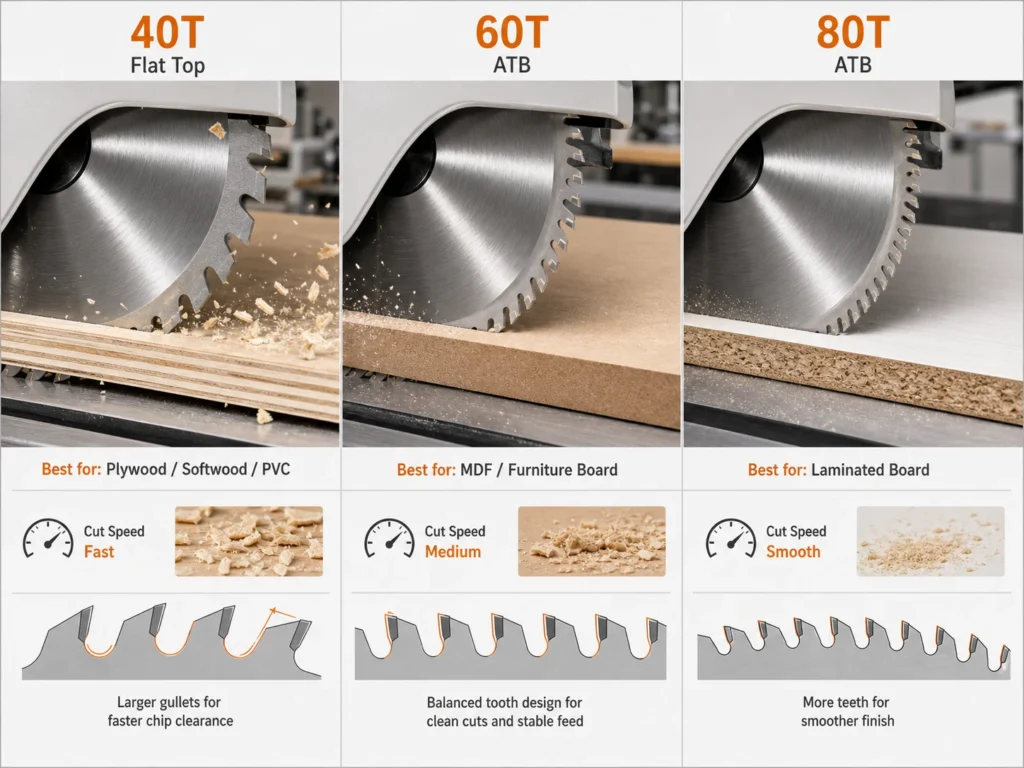
40T vs 60T vs 80T Saw Blade: Tooth Count Comparison
A practical buyer guide comparing 40T, 60T and 80T saw blades by material, edge quality, chip space and machine condition.
Start Here
These are the main first-level guides. Read them first, then continue into the detailed secondary articles below.
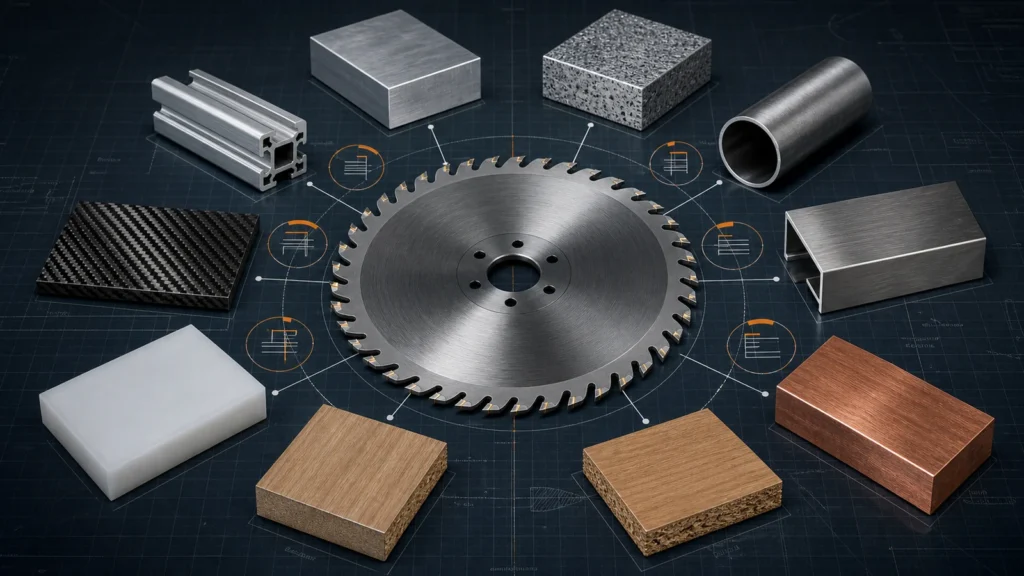
Choose blades for aluminum, steel, stainless steel, copper, wood, plastics and composites.
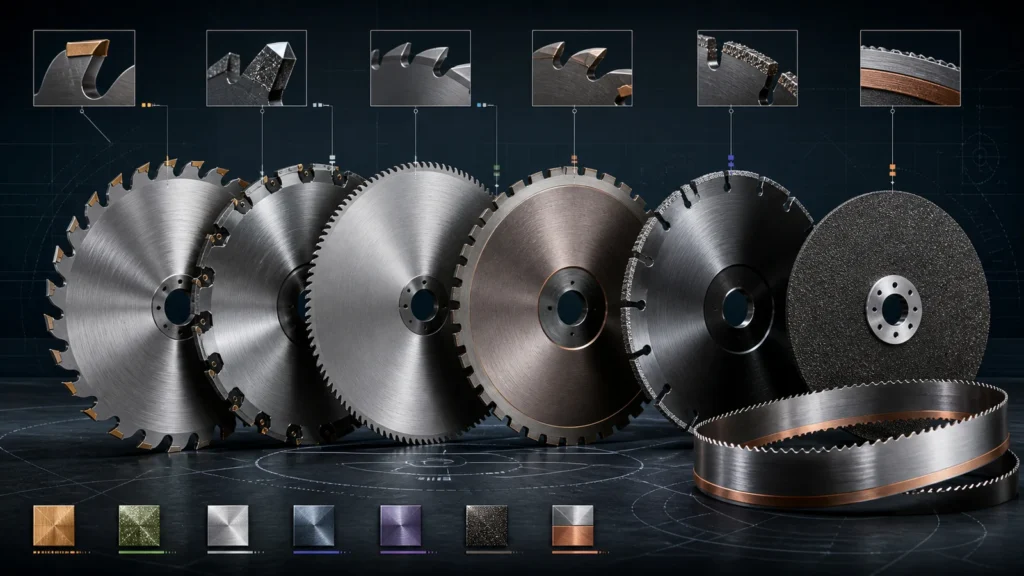
Compare TCT, PCD, HSS, cermet, CBN, abrasive and bi-metal saw blades.
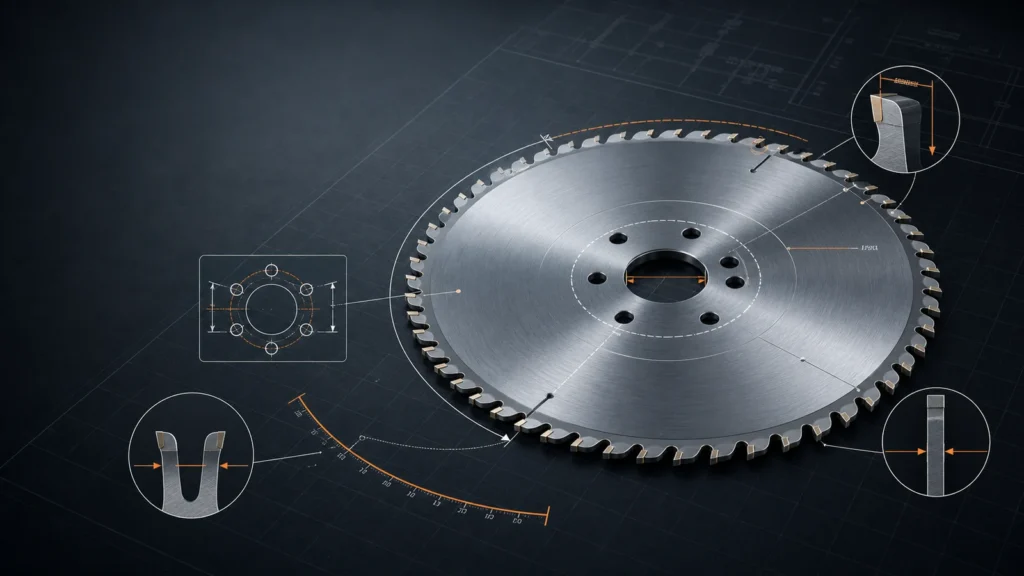
Understand diameter, bore, kerf, plate thickness, pin holes and tooth count.
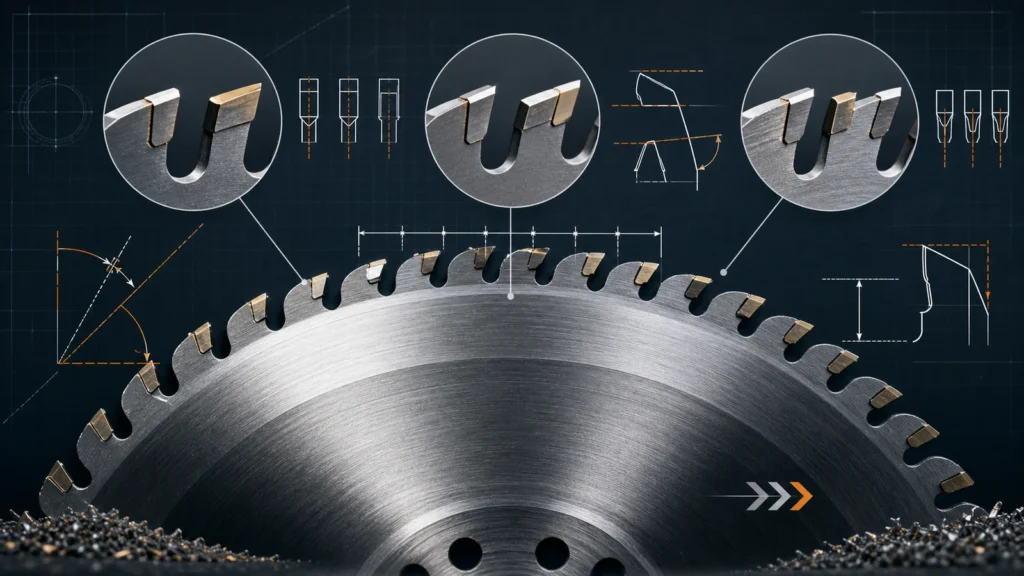
Read TCG, ATB, FTG, rake angle, chip space, pitch and cutting finish.
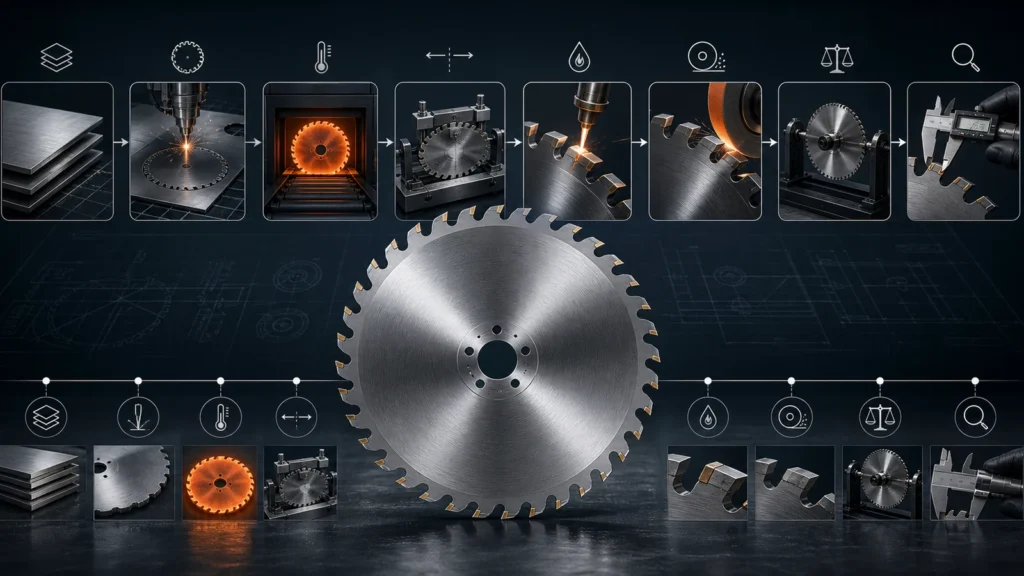
Follow the process from steel plate, heat treatment and tensioning to grinding and inspection.
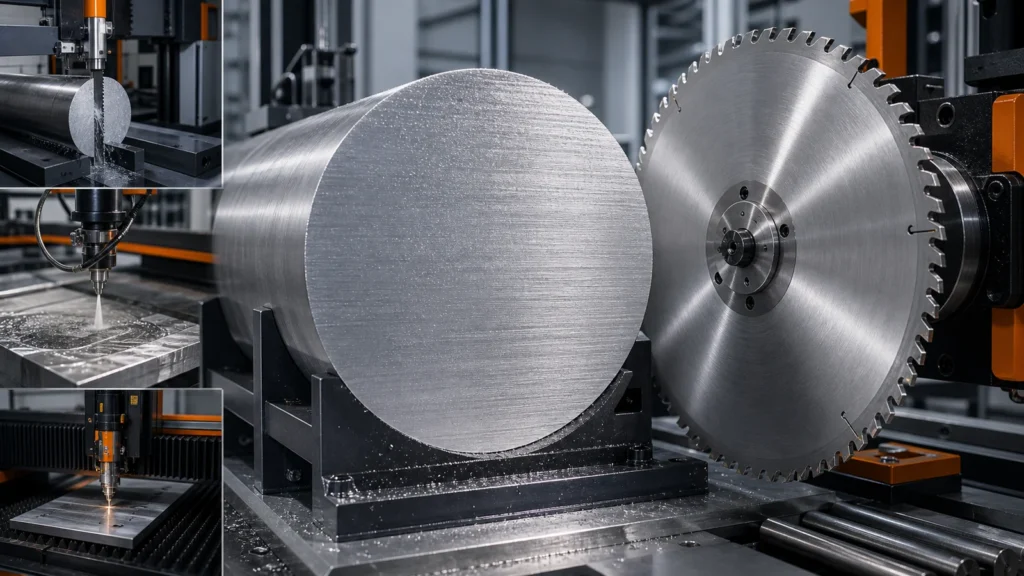
Compare saw blade, band saw, waterjet and laser for large-diameter bars across aluminum, copper, steel, stainless steel and abrasive alloys.
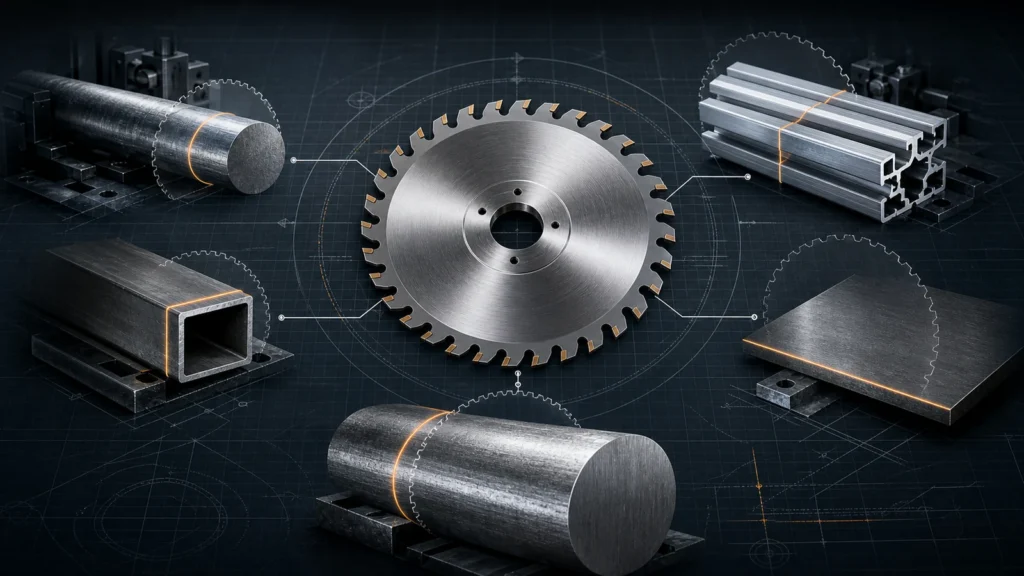
Start from application, machine, material and target finish before quoting.

Connect RPM, feed speed, tooth count and chip load to blade performance.
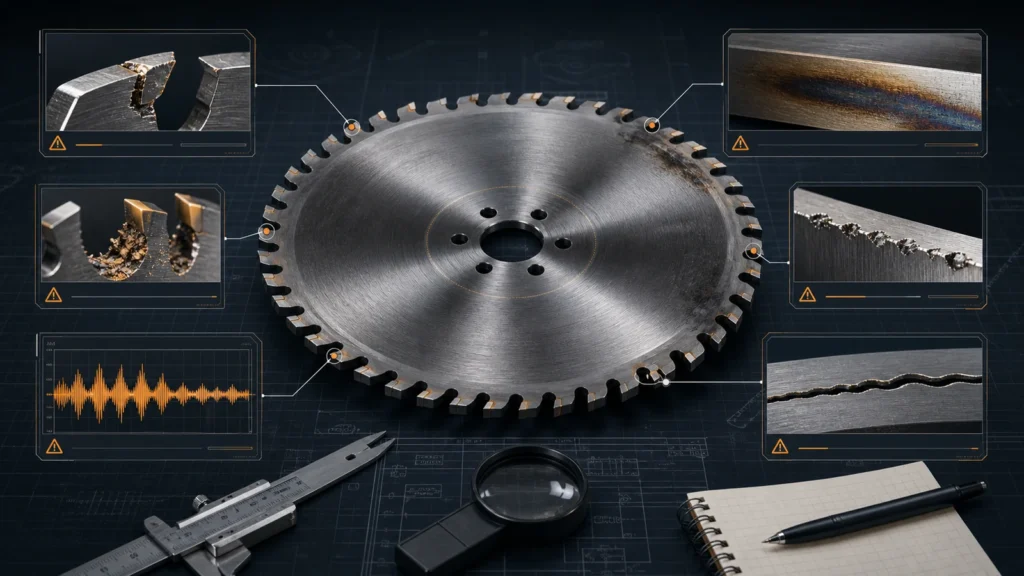
Separate machine, setup, material and blade issues when cutting results are poor.

Prepare the details suppliers need for accurate custom saw blade quotations.
Article Finder
Browse by category, then jump directly to one of the articles on this page.
A practical buyer guide comparing 40T, 60T and 80T saw blades by material, edge quality, chip space and machine condition.
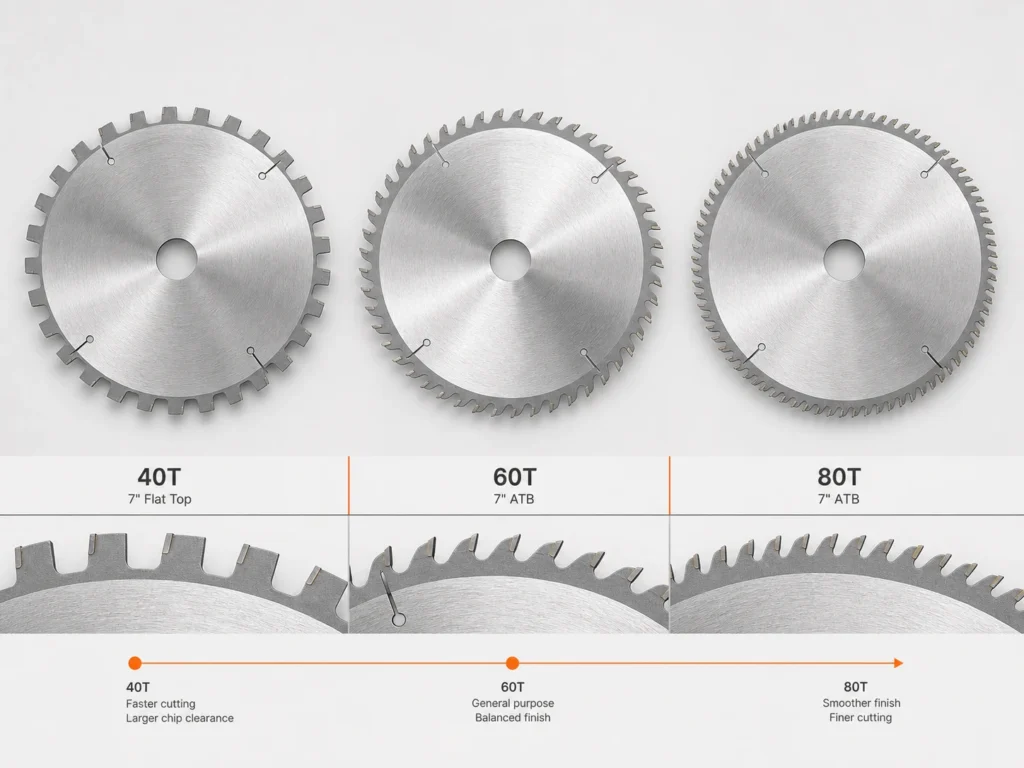
Why high-tooth-count saw blades can require custom material, tooling, higher MOQ and longer lead time.
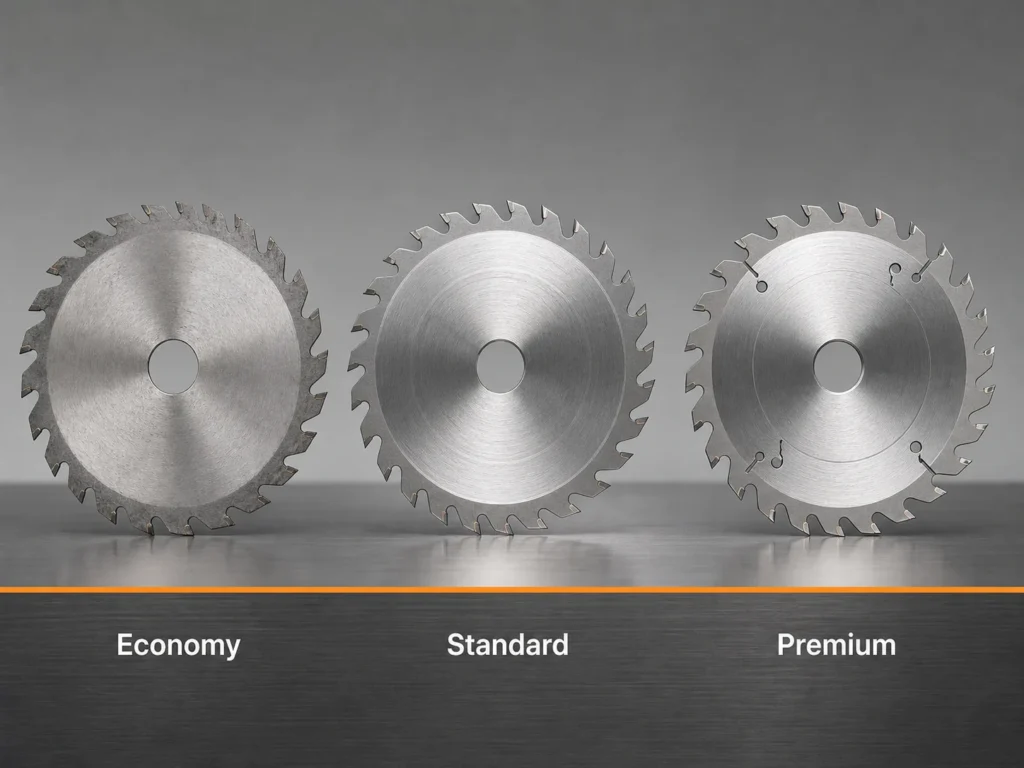
A practical comparison of economy, standard and premium circular saw blade quality levels.
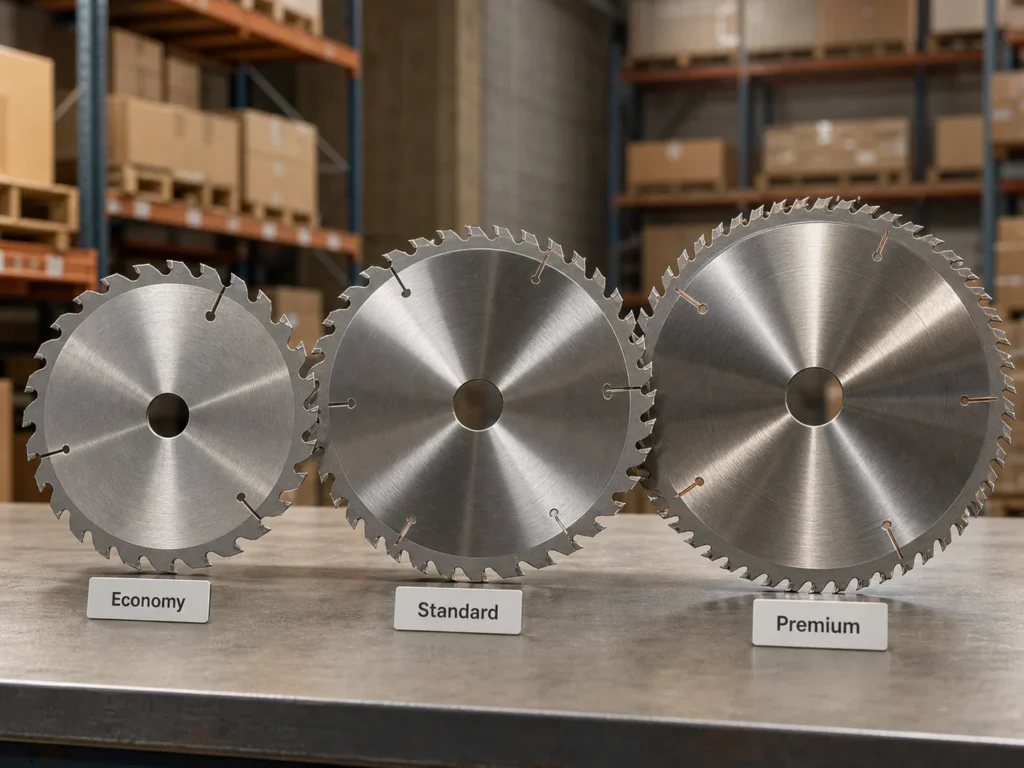
How wholesalers can choose saw blade product lines by target market, material, quality level and trial orders.
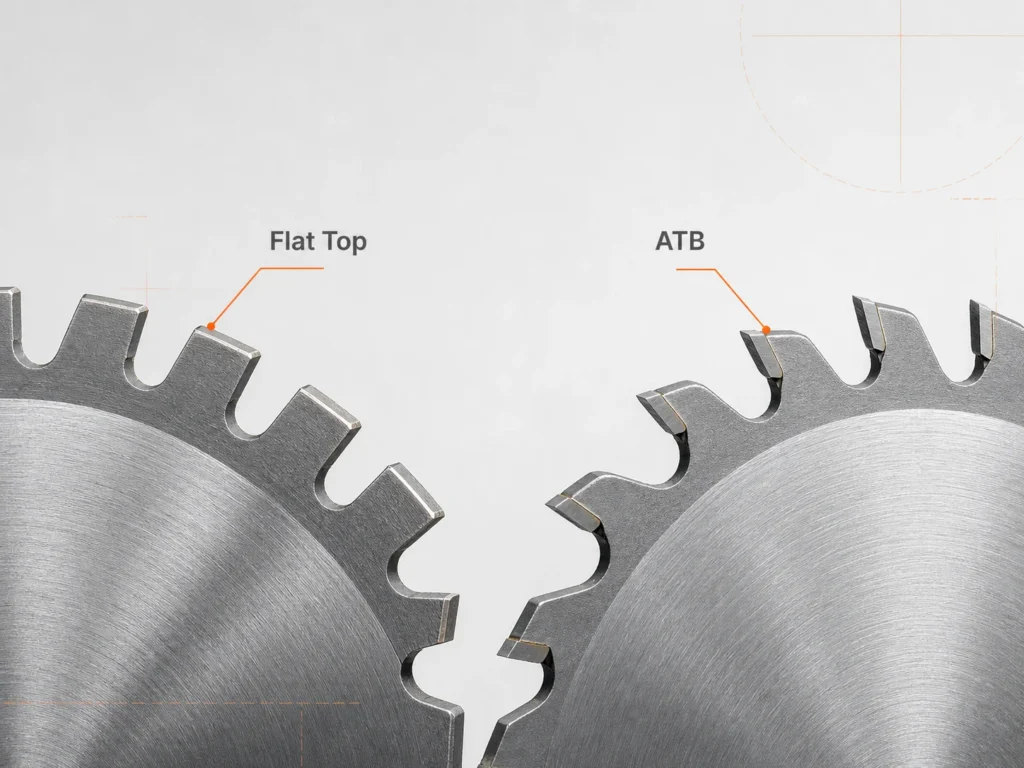
A plain-English guide to Flat Top and ATB tooth forms for circular saw blade buyers.
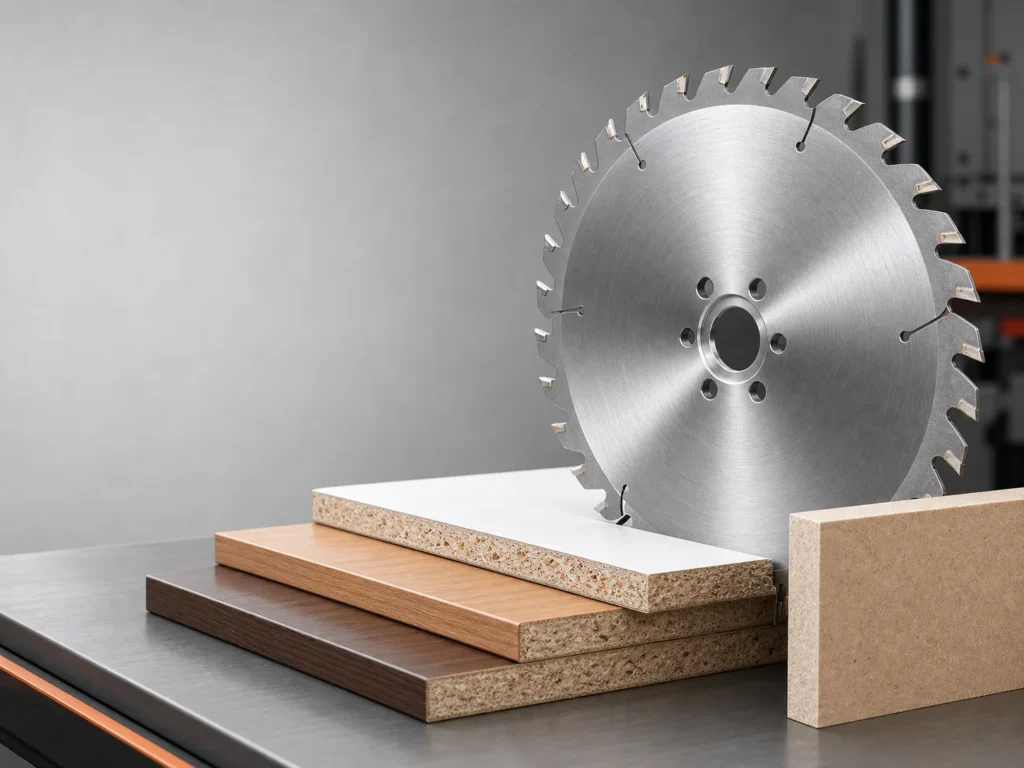
A practical guide for matching TCT saw blades to MDF, melamine and laminated furniture boards.
Learn how buyers can choose a TCT saw blade by material, tooth geometry, tooth count, blade plate quality and machine RPM.

Noise and vibration are not always caused by a dull blade. This guide explains how buyers can check blade design, machine setup and cutting conditions.
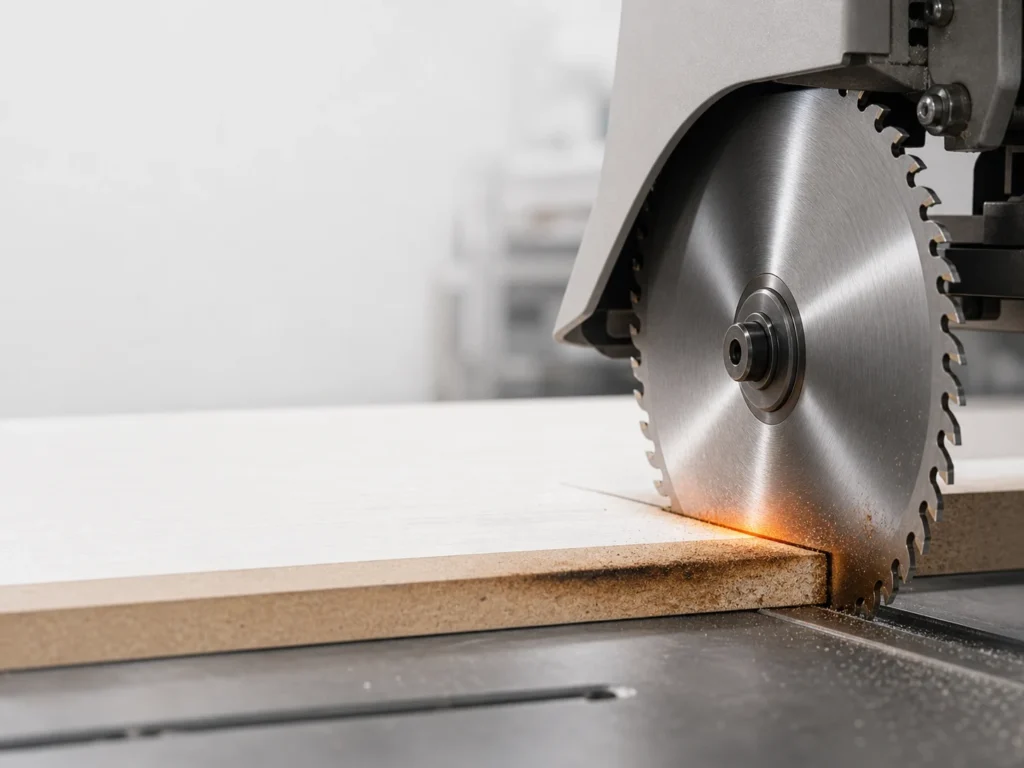
A blade can still look sharp and still cut badly. This guide explains why saw blades get gummed up, leave black burn marks and lose cutting efficiency.