
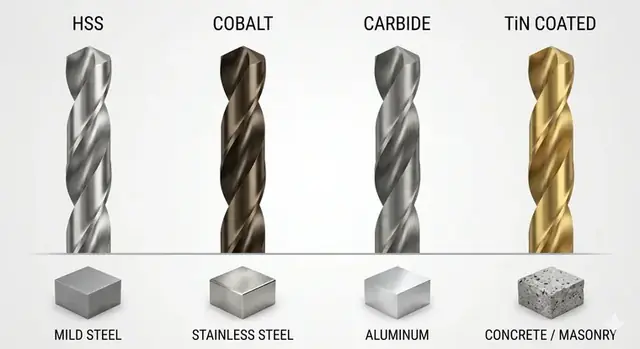
Saw Blade and Drill Bit Safety Stock Calculator
Calculate safety stock and reorder points for saw blades and drill bits using demand, supplier lead-time variability, service level and tool-specific risks.
Saw blade, drill bit and cutting tool sourcing guides from Wryno Global.
Start Here
These are the main first-level guides. Read them first, then continue into the detailed secondary articles below.
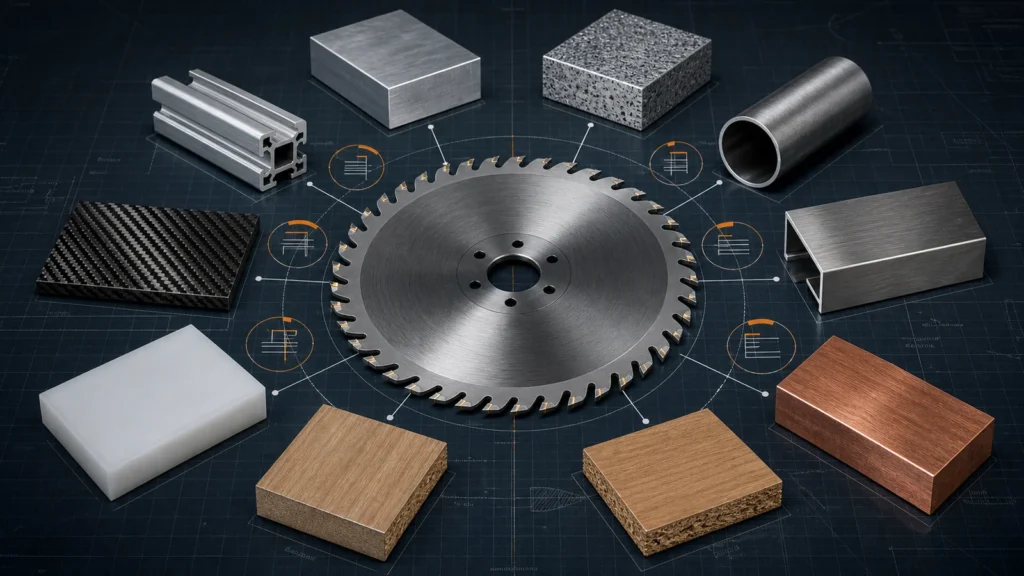
Choose blades for aluminum, steel, stainless steel, copper, wood, plastics and composites.

Compare TCT, PCD, HSS, cermet, CBN, abrasive and bi-metal saw blades.
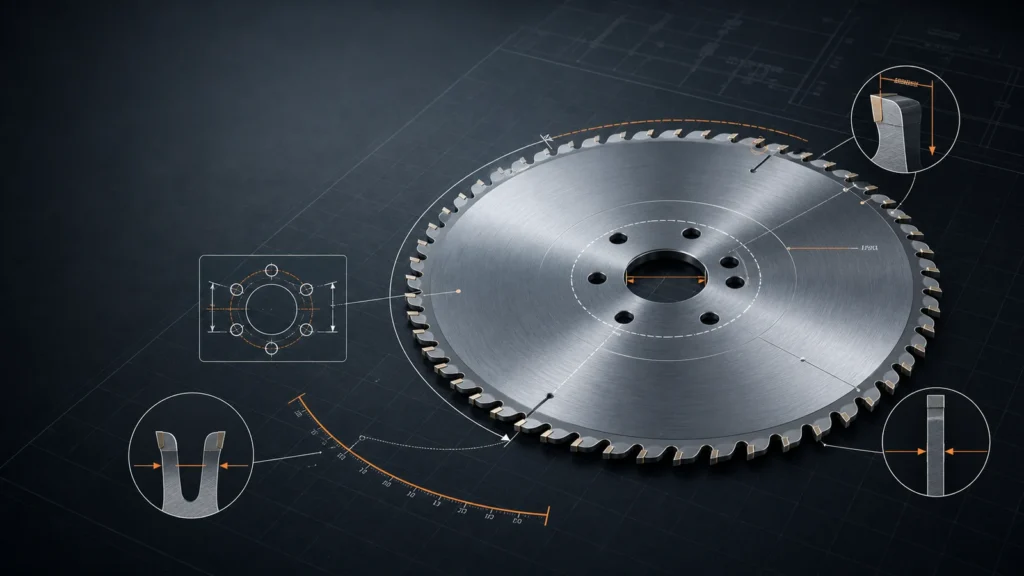
Understand diameter, bore, kerf, plate thickness, pin holes and tooth count.

Read TCG, ATB, FTG, rake angle, chip space, pitch and cutting finish.

Follow the process from steel plate, heat treatment and tensioning to grinding and inspection.

Compare saw blade, band saw, waterjet and laser for large-diameter bars across aluminum, copper, steel, stainless steel and abrasive alloys.

Start from application, machine, material and target finish before quoting.

Connect RPM, feed speed, tooth count and chip load to blade performance.

Separate machine, setup, material and blade issues when cutting results are poor.

Prepare the details suppliers need for accurate custom saw blade quotations.
Article Finder
Browse by category, then jump directly to one of the articles on this page.
Calculate safety stock and reorder points for saw blades and drill bits using demand, supplier lead-time variability, service level and tool-specific risks.

Qualify a second source for saw blades and drill bits through controlled specifications, supplier evidence, matched trials, pilot lots and change control.
Audit a carbide saw-blade or drill-bit price increase with a cost bridge, normalized specification, performance evidence and balanced adjustment terms.
Build a carbide-tool purchasing plan for volatile costs: segment critical SKUs, compare like-for-like quotes, qualify alternatives and control inventory risk.
Specify gang-rip blade sets with rakers by matching blade and spacer geometry, chip extraction, wood condition, machine limits and trial acceptance.
Compare exchangeable-tip and solid-carbide drills using accepted holes, tip changes, body life, downtime and stock—not just tool price.
Diagnose cold saw tooth chipping in welded tube flying cut-off: distinguish attached inner bead from loose scarf and plan a valid blade trial.
Learn how to verify solid-carbide, carbide-tipped and replaceable-tip drill bits on arrival using drawings, traceability, inspection and agreed test methods.
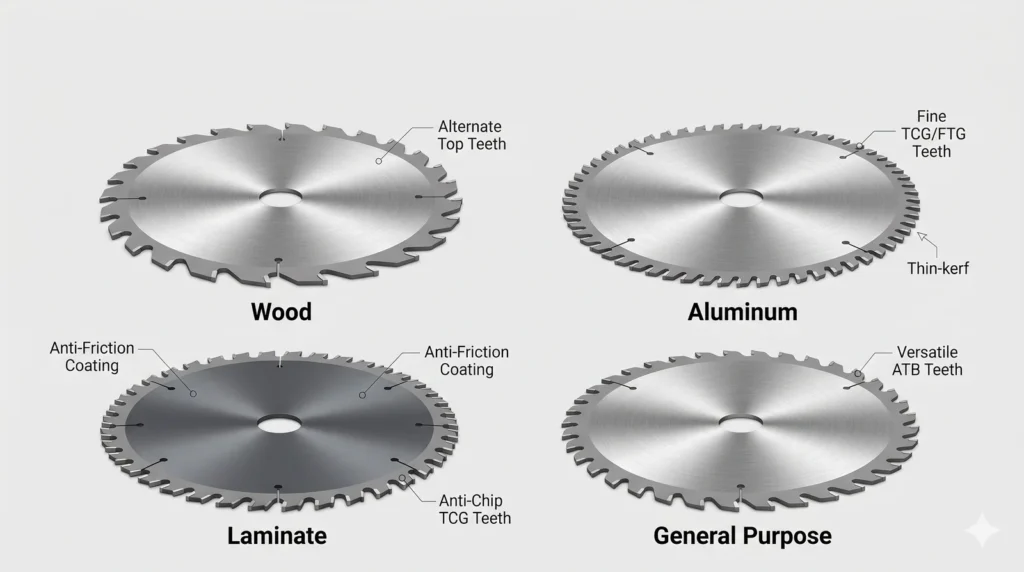
A source-backed circular saw blade safety guide for industrial buyers and workshop teams: seven hazards, a pre-use checklist and service records.