
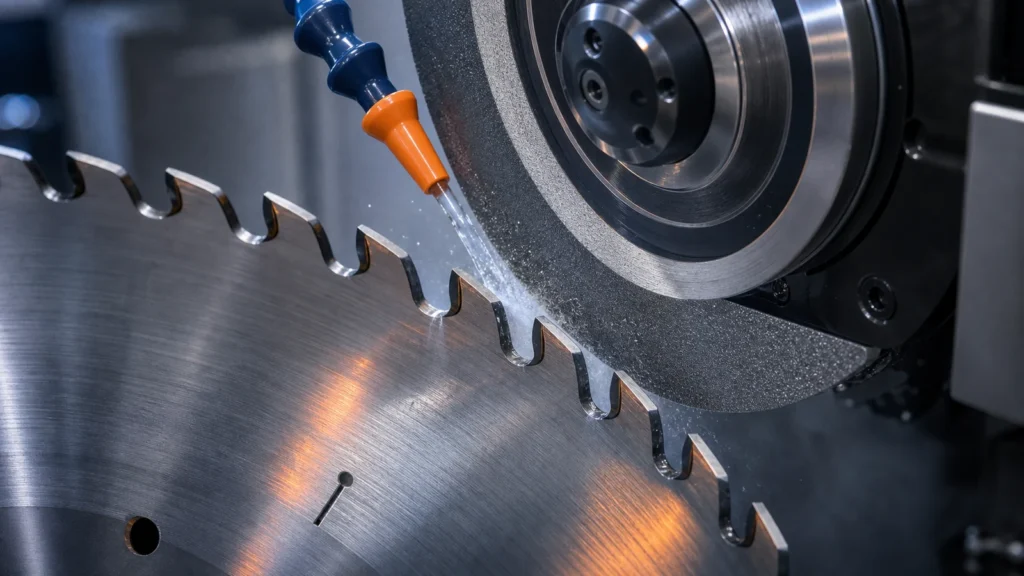
Saw Blade Tooth Grinding Process: Top, Face and Side Grinding Explained
Learn how saw blade tooth grinding affects sharpness, tooth geometry, side clearance, cutting finish, noise, vibration and blade life.
Saw blade, drill bit and cutting tool sourcing guides from Wryno Global.
Start Here
These are the main first-level guides. Read them first, then continue into the detailed secondary articles below.
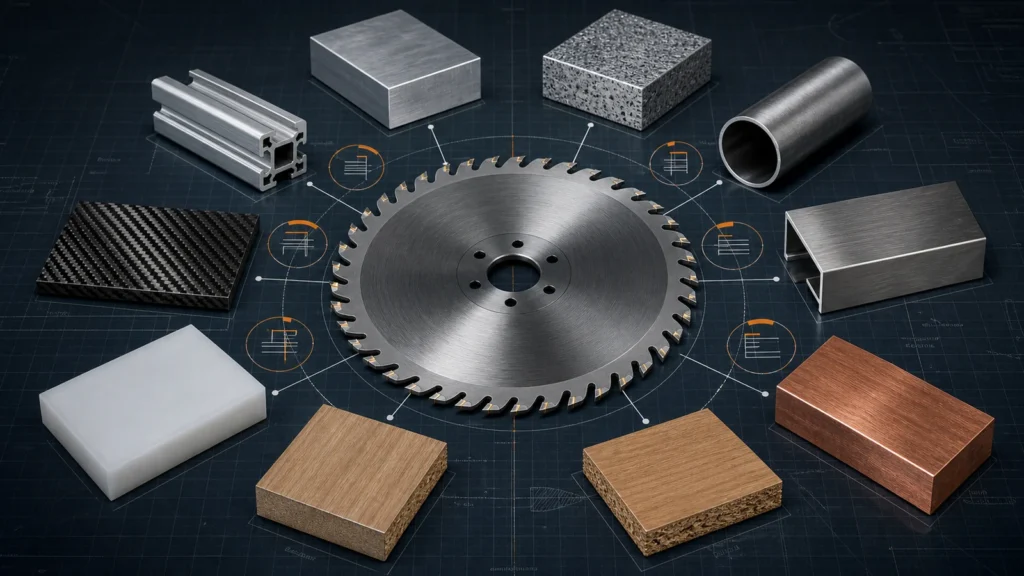
Choose blades for aluminum, steel, stainless steel, copper, wood, plastics and composites.
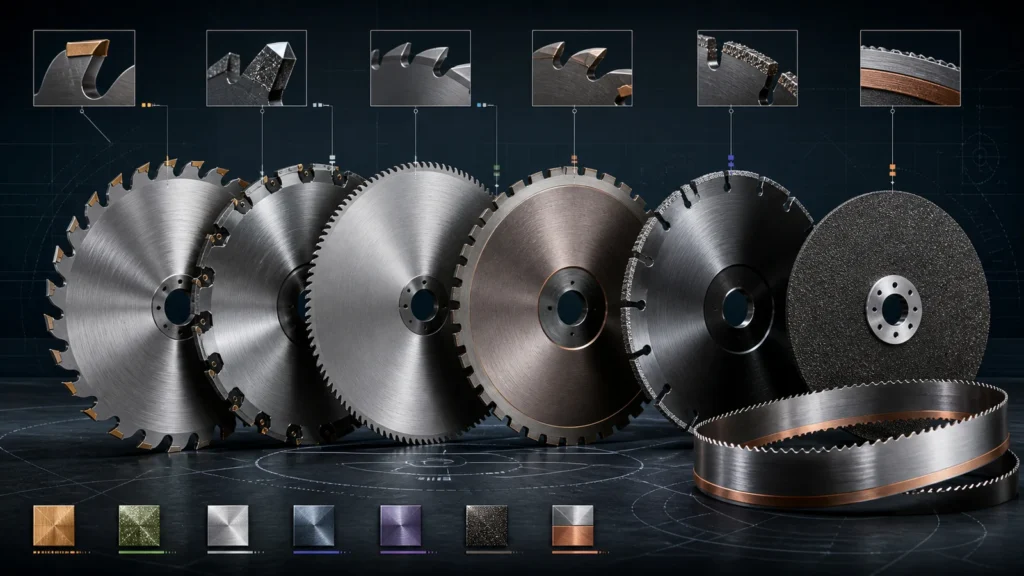
Compare TCT, PCD, HSS, cermet, CBN, abrasive and bi-metal saw blades.
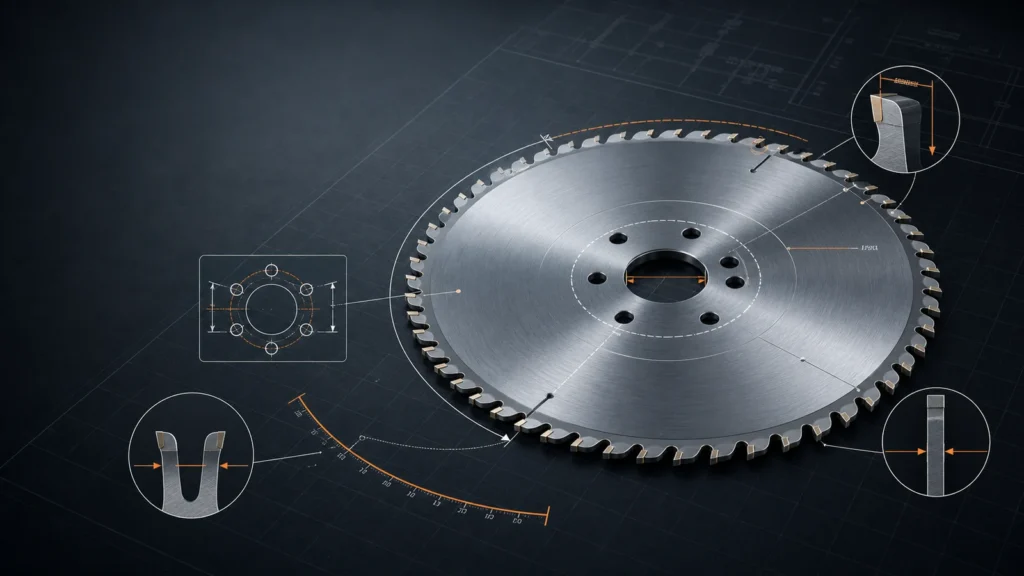
Understand diameter, bore, kerf, plate thickness, pin holes and tooth count.
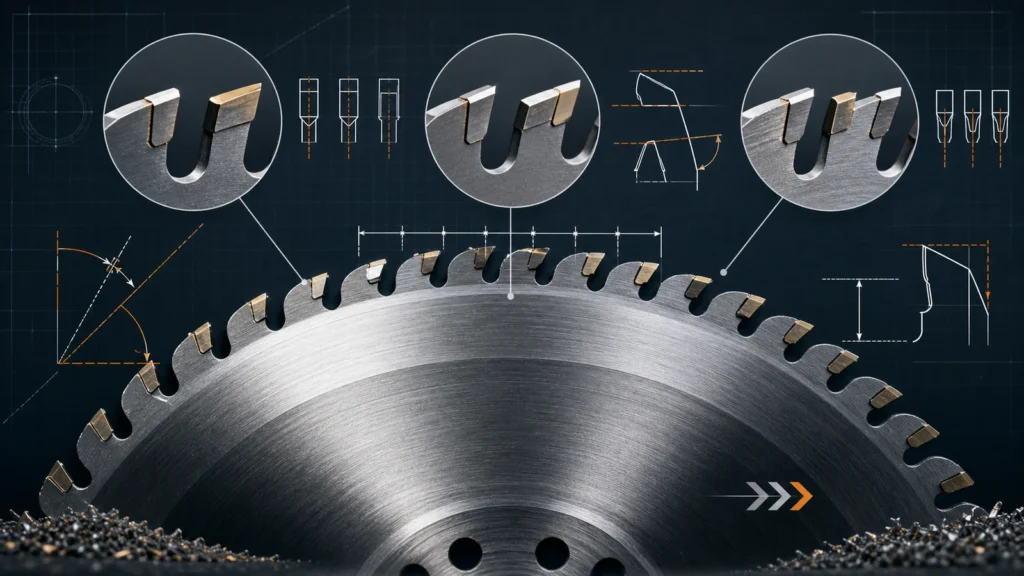
Read TCG, ATB, FTG, rake angle, chip space, pitch and cutting finish.

Follow the process from steel plate, heat treatment and tensioning to grinding and inspection.
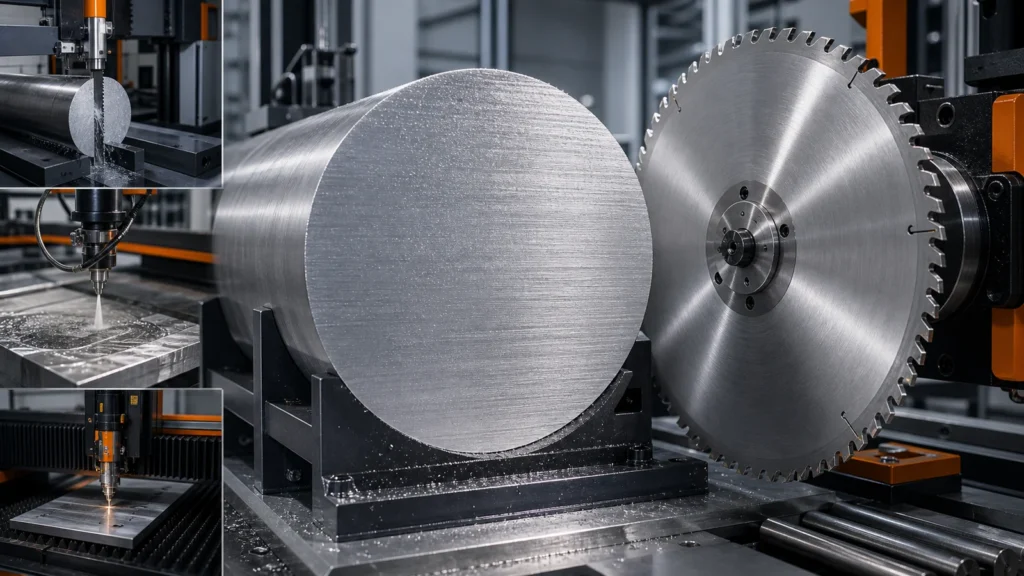
Compare saw blade, band saw, waterjet and laser for large-diameter bars across aluminum, copper, steel, stainless steel and abrasive alloys.
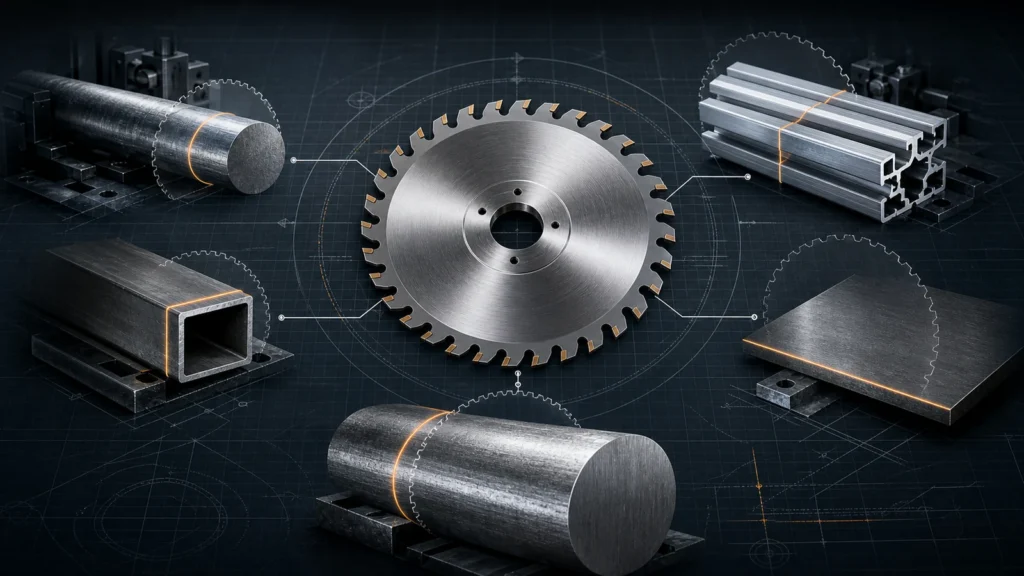
Start from application, machine, material and target finish before quoting.

Connect RPM, feed speed, tooth count and chip load to blade performance.
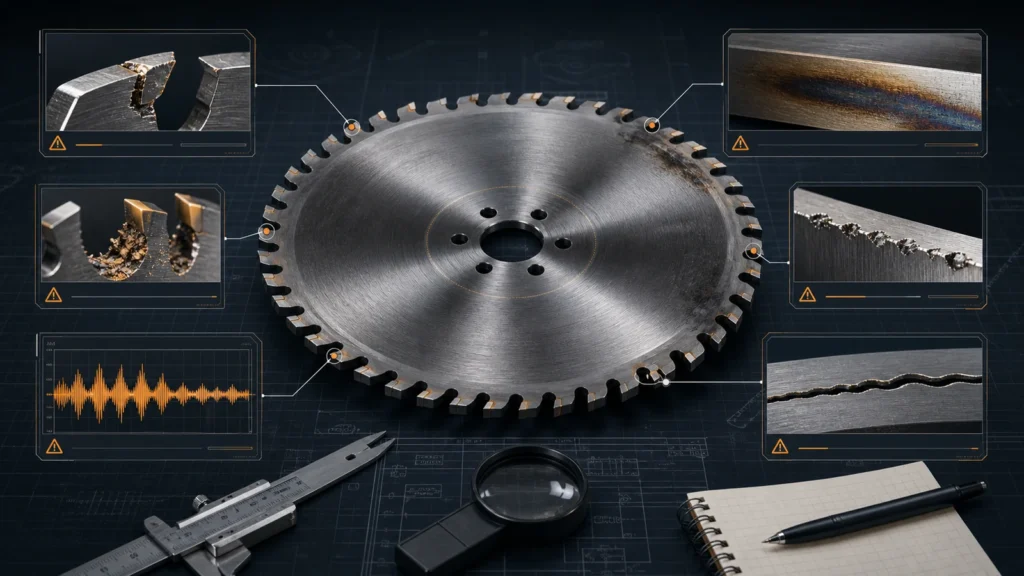
Separate machine, setup, material and blade issues when cutting results are poor.

Prepare the details suppliers need for accurate custom saw blade quotations.
Article Finder
Browse by category, then jump directly to one of the articles on this page.
Learn how saw blade tooth grinding affects sharpness, tooth geometry, side clearance, cutting finish, noise, vibration and blade life.
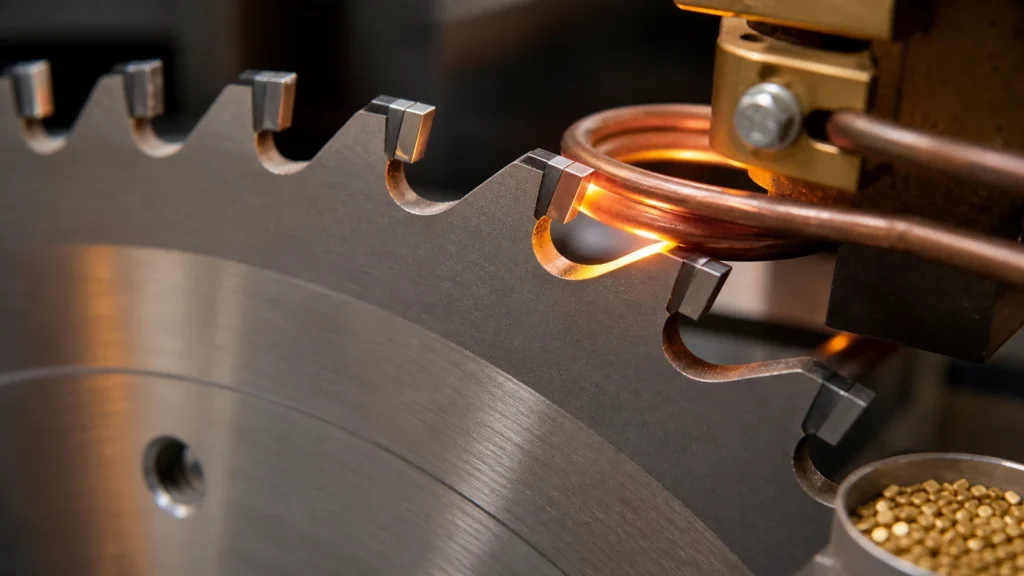
Learn why carbide tips fall off saw blades and how brazing quality affects tooth strength, cutting safety, vibration, heat resistance and blade life.

Learn how saw blade tensioning and straightening affect flatness, vibration, runout, noise, cutting accuracy and blade life. A practical guide for industrial circular saw buyers.
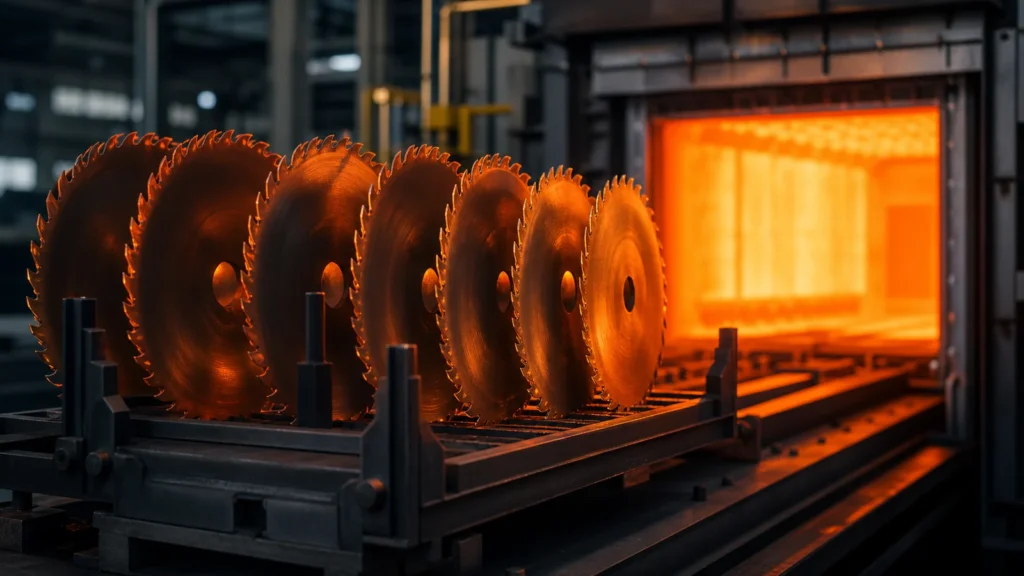
Learn why heat treatment matters in circular saw blade manufacturing. Understand hardening, tempering, stress relief, flatness, toughness, vibration and blade body stability.
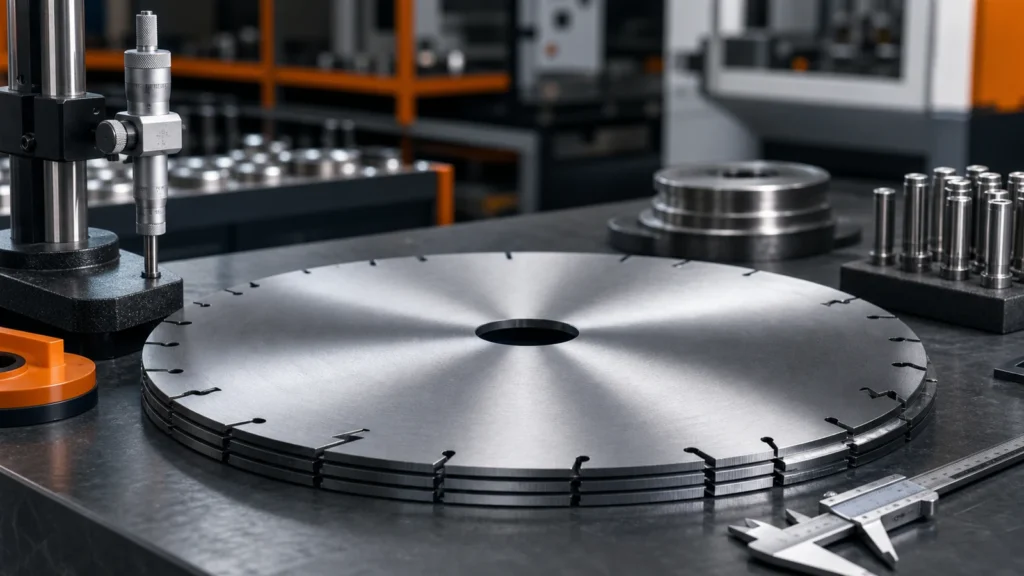
Learn how saw blade steel body quality affects cutting stability, vibration, noise, flatness, tooth life and finish. Understand steel plate selection, thickness tolerance, internal stress and heat stability.
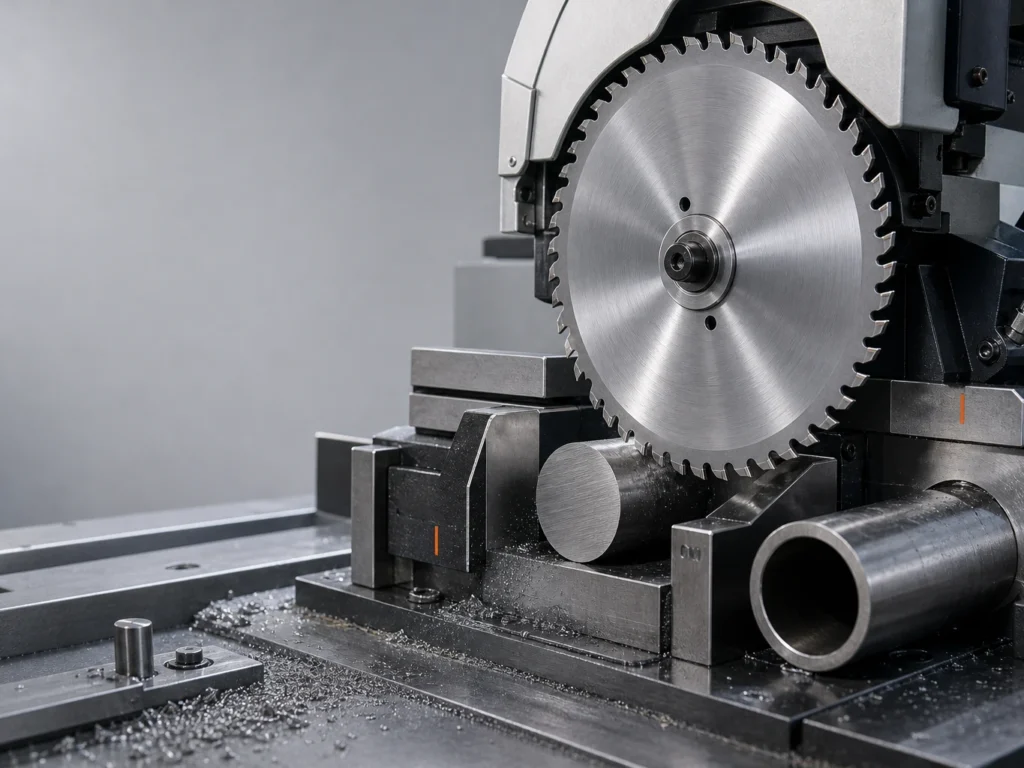
Solid bar and tube cutting need different cold saw blade recommendations. Learn what buyers should confirm before asking for carbide or cermet cold saw blade prices.
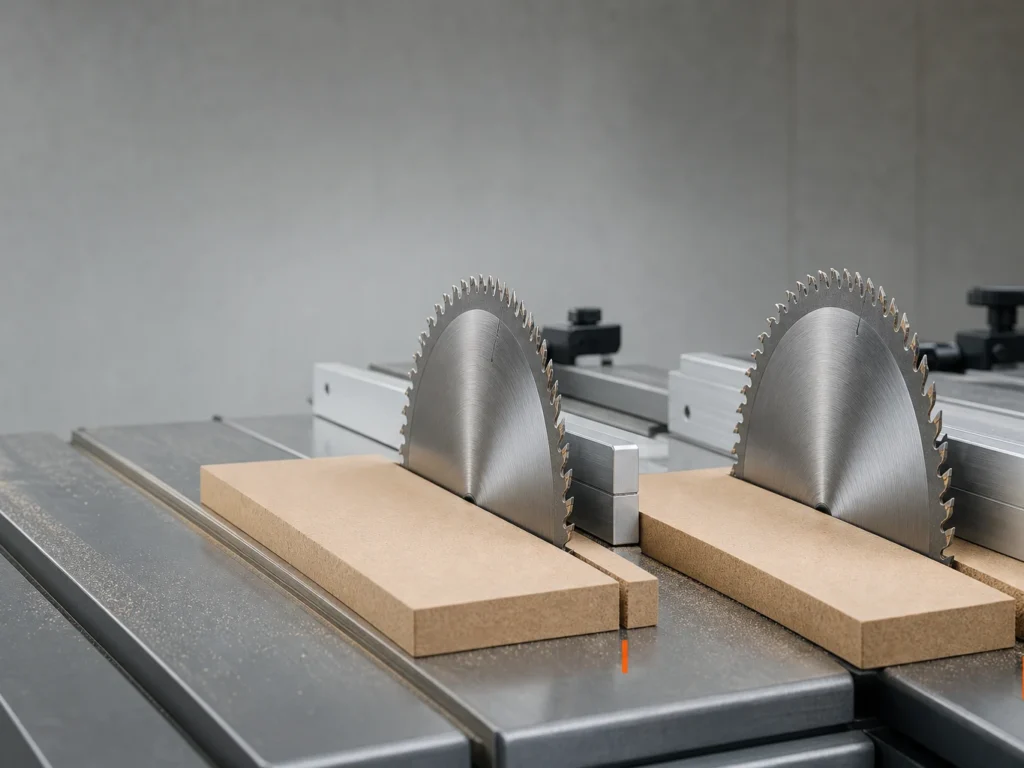
Thin kerf and standard kerf saw blades look similar but behave differently. Learn how machine power, material, stability and cutting quality affect the choice.
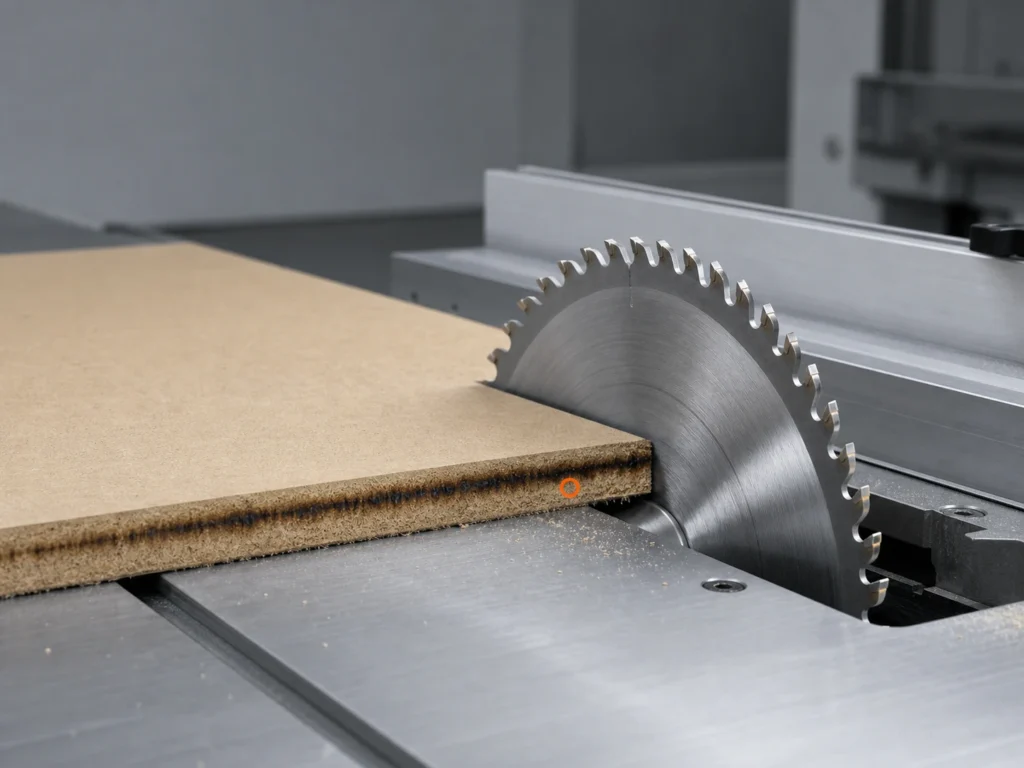
A saw blade can burn wood, MDF or laminate even when the teeth still look sharp. Learn the real causes and what buyers should check before changing blades.
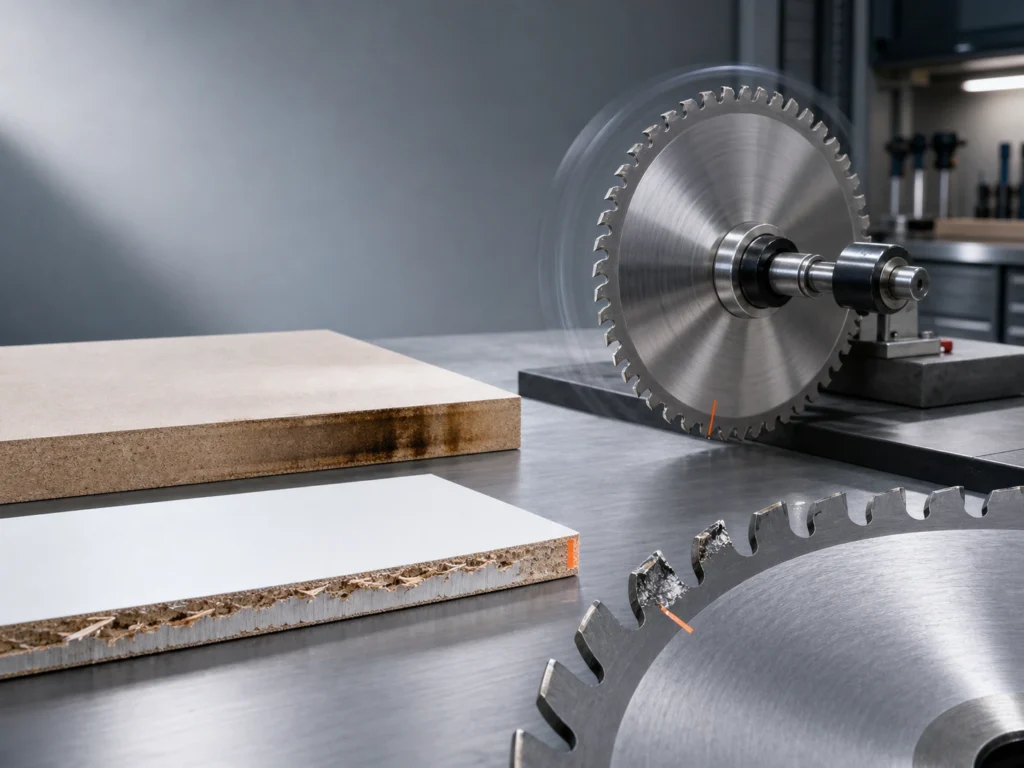
Burn marks, vibration, chipping and broken teeth in saw blade videos often point to different causes. Learn what buyers should confirm before ordering.