

Circular Saw RPM vs Torque: Why No-Load Speed Is Not Cutting Speed
Understand circular saw no-load RPM, torque, power, blade diameter and speed drop under load before comparing cutting performance.
Saw blade, drill bit and cutting tool sourcing guides from Wryno Global.
Start Here
These are the main first-level guides. Read them first, then continue into the detailed secondary articles below.
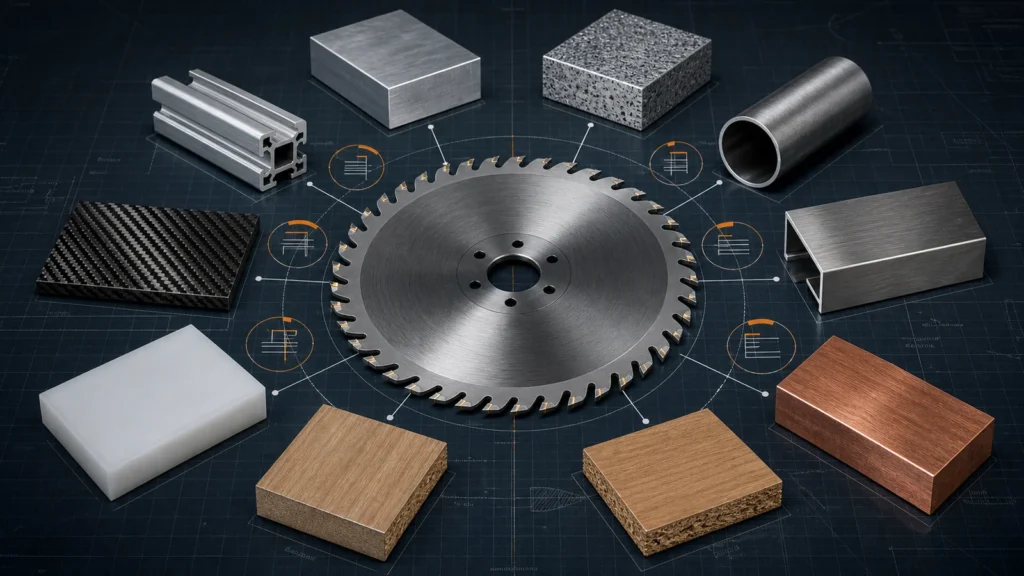
Choose blades for aluminum, steel, stainless steel, copper, wood, plastics and composites.
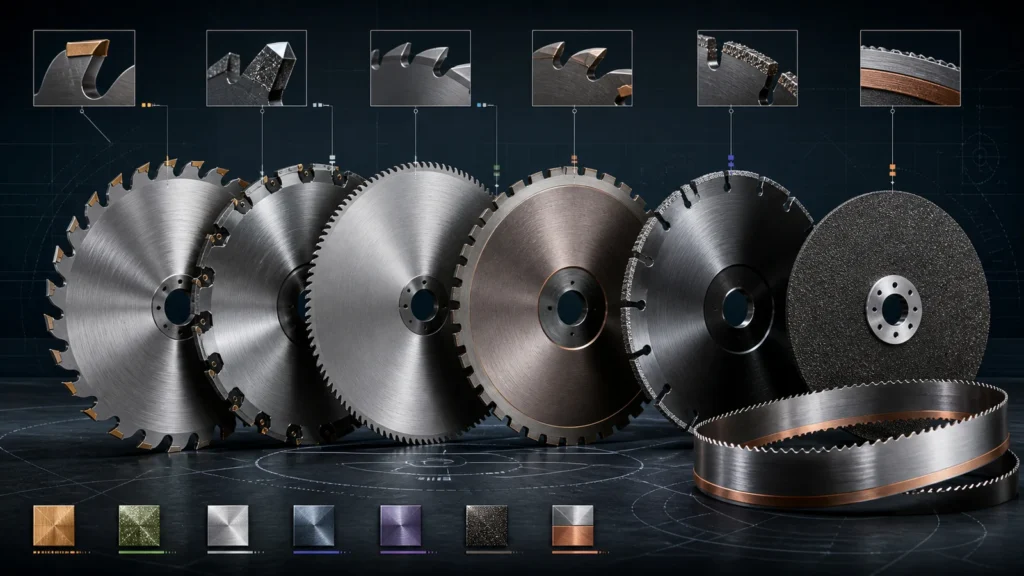
Compare TCT, PCD, HSS, cermet, CBN, abrasive and bi-metal saw blades.
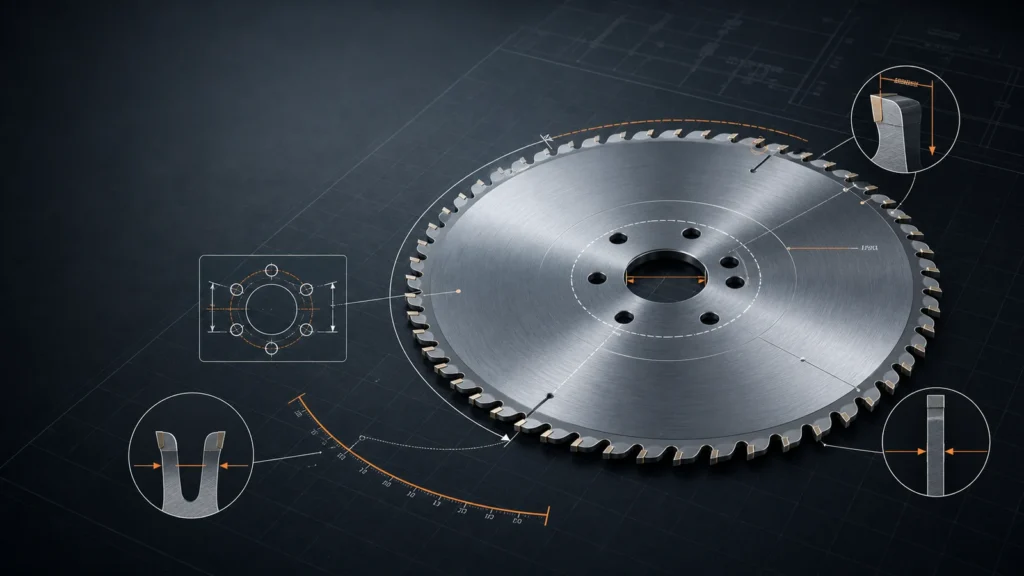
Understand diameter, bore, kerf, plate thickness, pin holes and tooth count.
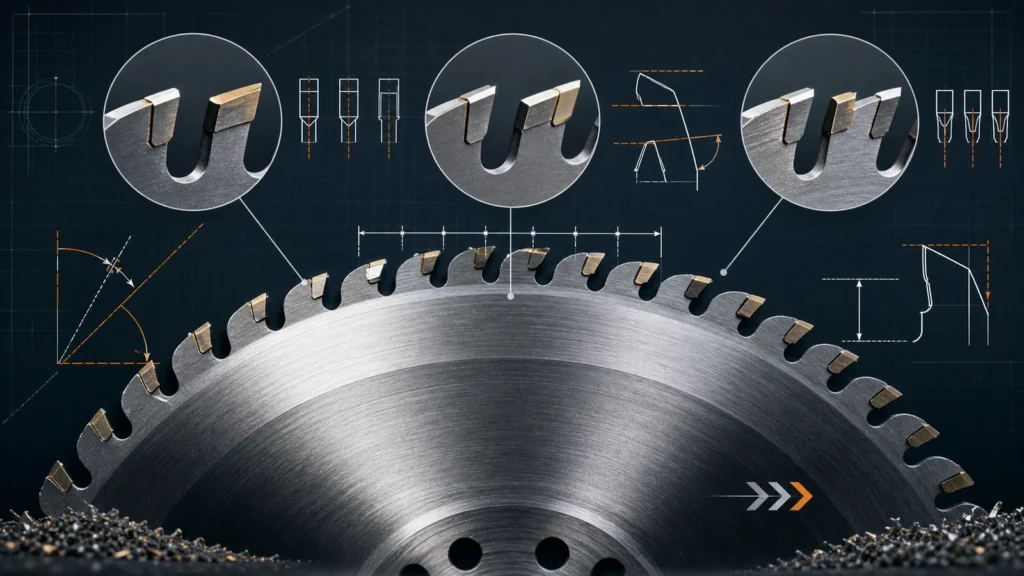
Read TCG, ATB, FTG, rake angle, chip space, pitch and cutting finish.
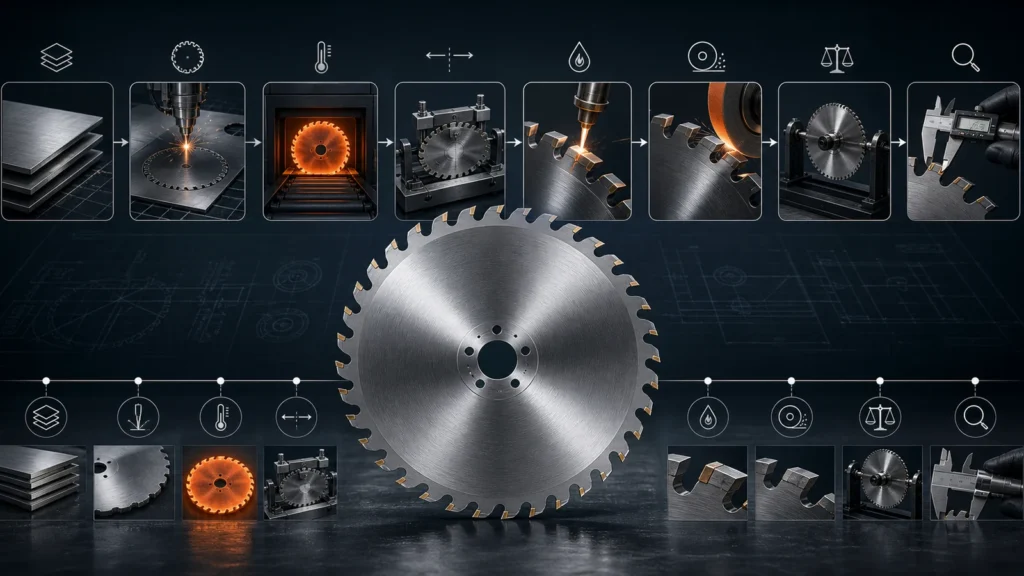
Follow the process from steel plate, heat treatment and tensioning to grinding and inspection.
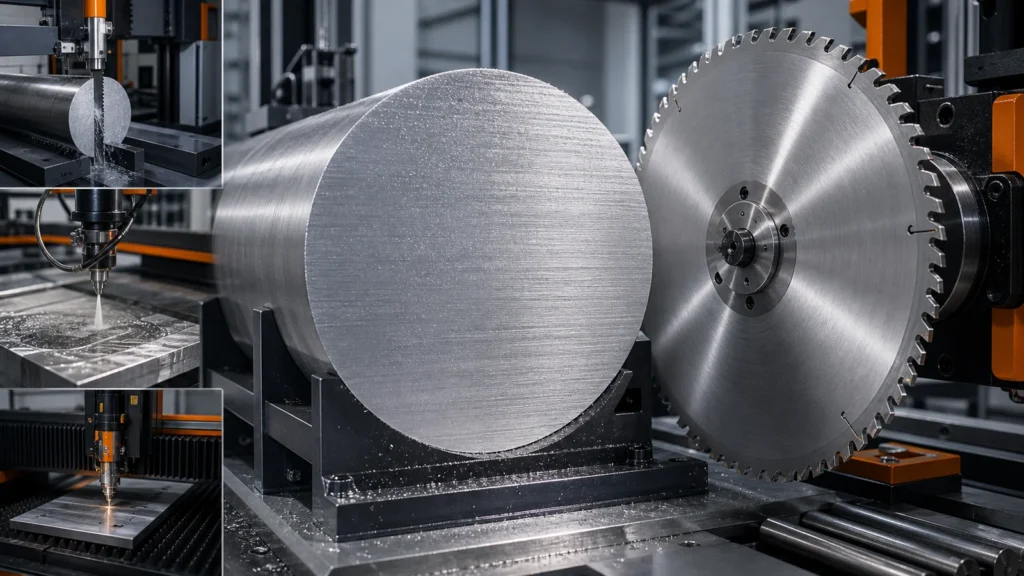
Compare saw blade, band saw, waterjet and laser for large-diameter bars across aluminum, copper, steel, stainless steel and abrasive alloys.
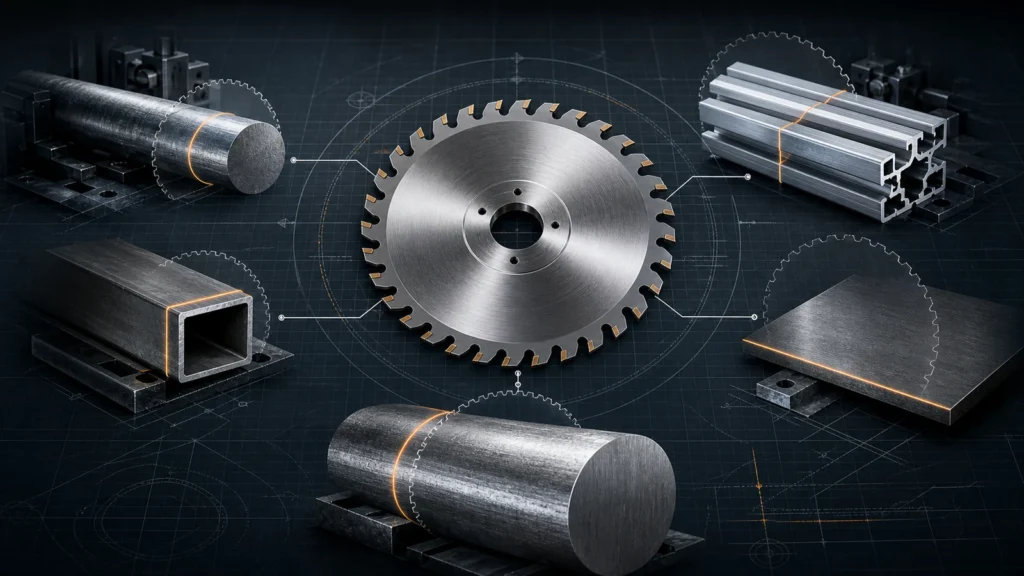
Start from application, machine, material and target finish before quoting.
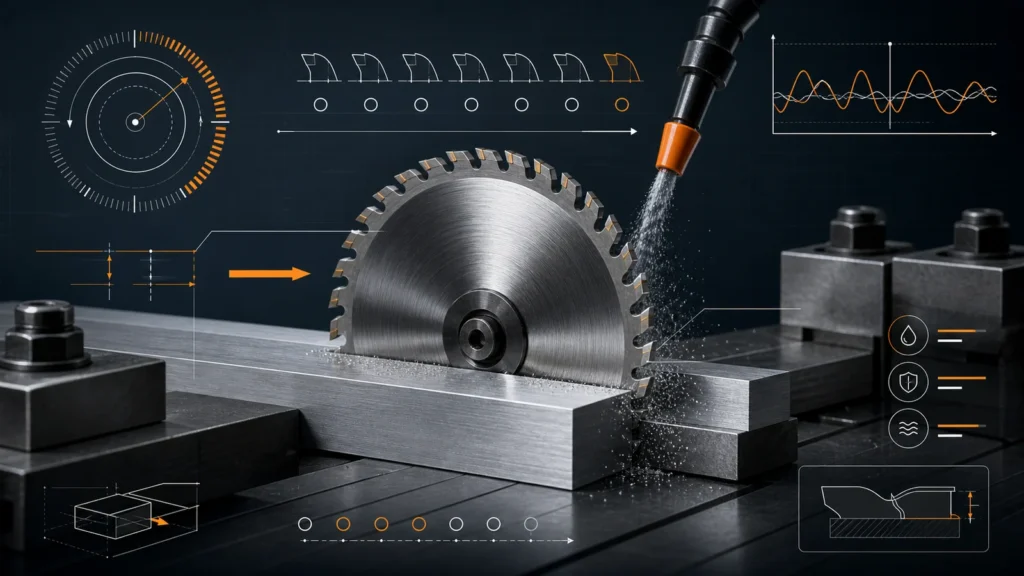
Connect RPM, feed speed, tooth count and chip load to blade performance.
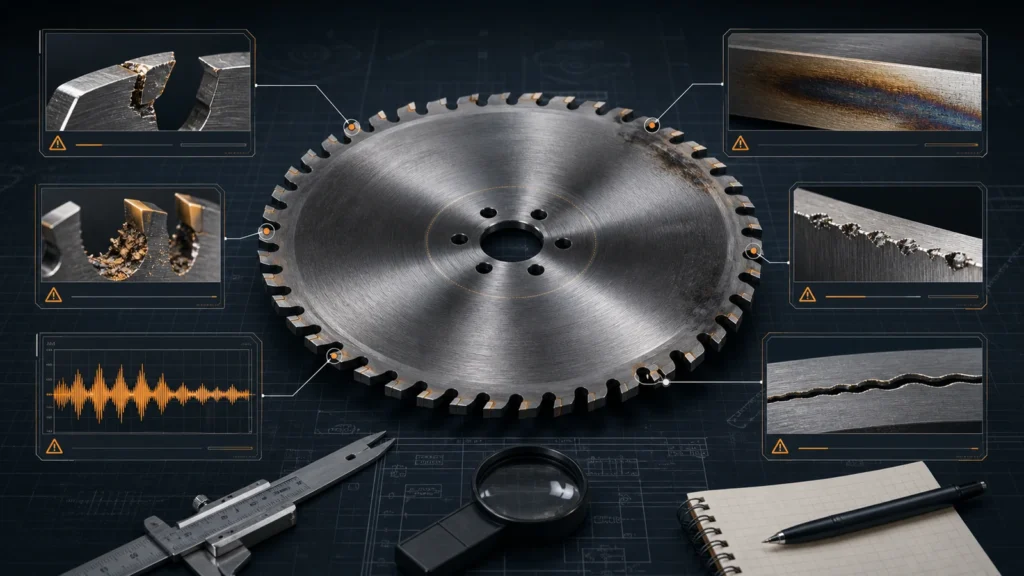
Separate machine, setup, material and blade issues when cutting results are poor.
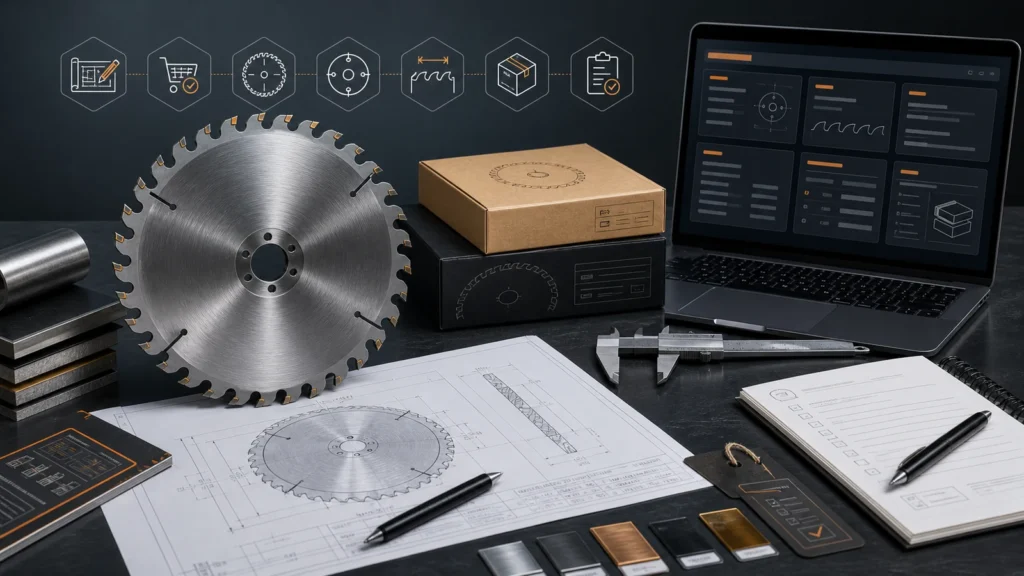
Prepare the details suppliers need for accurate custom saw blade quotations.
Article Finder
Browse by category, then jump directly to one of the articles on this page.
Understand circular saw no-load RPM, torque, power, blade diameter and speed drop under load before comparing cutting performance.
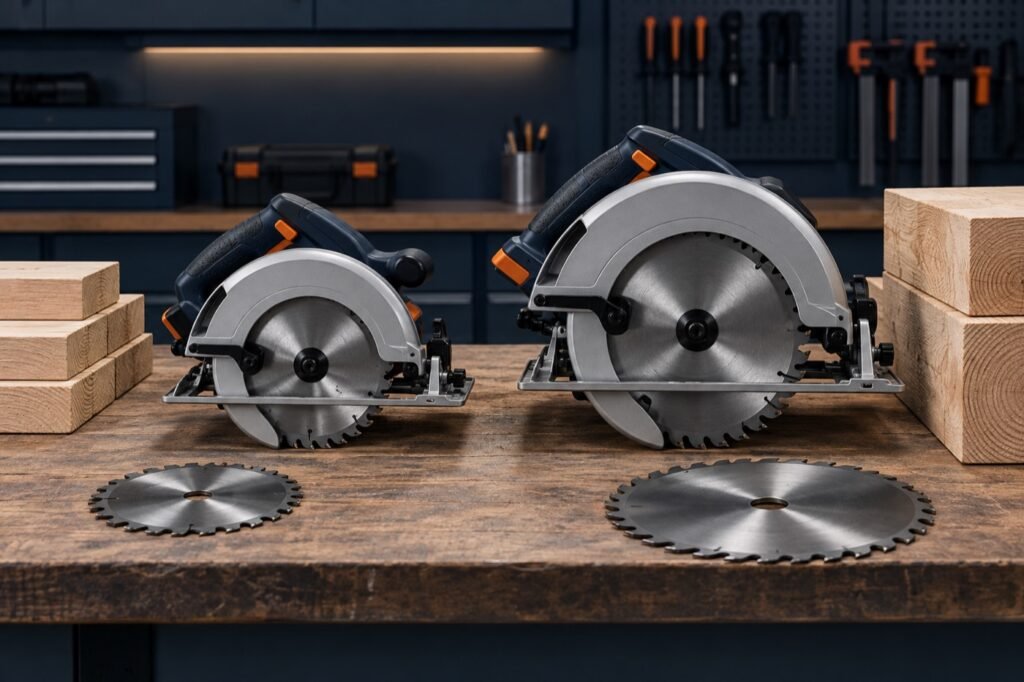
Compare 7-1/4 and 10-1/4 inch circular saws by cutting depth, weight, blade availability, battery demand, handling and total ownership cost.
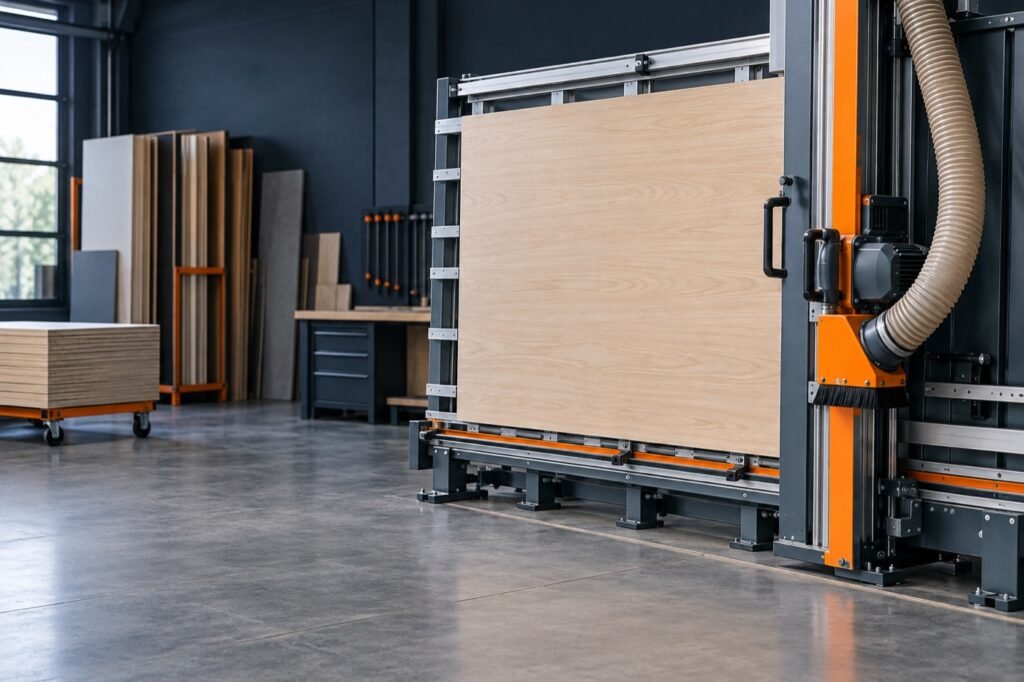
Choose vertical panel saw blades for MDF, laminate, plywood and coated boards by diameter, kerf, tooth geometry, scoring method and machine condition.

Use a bandsaw safety checklist covering guards, blade condition, guides, tension, braking, stock support, isolation and operator controls.
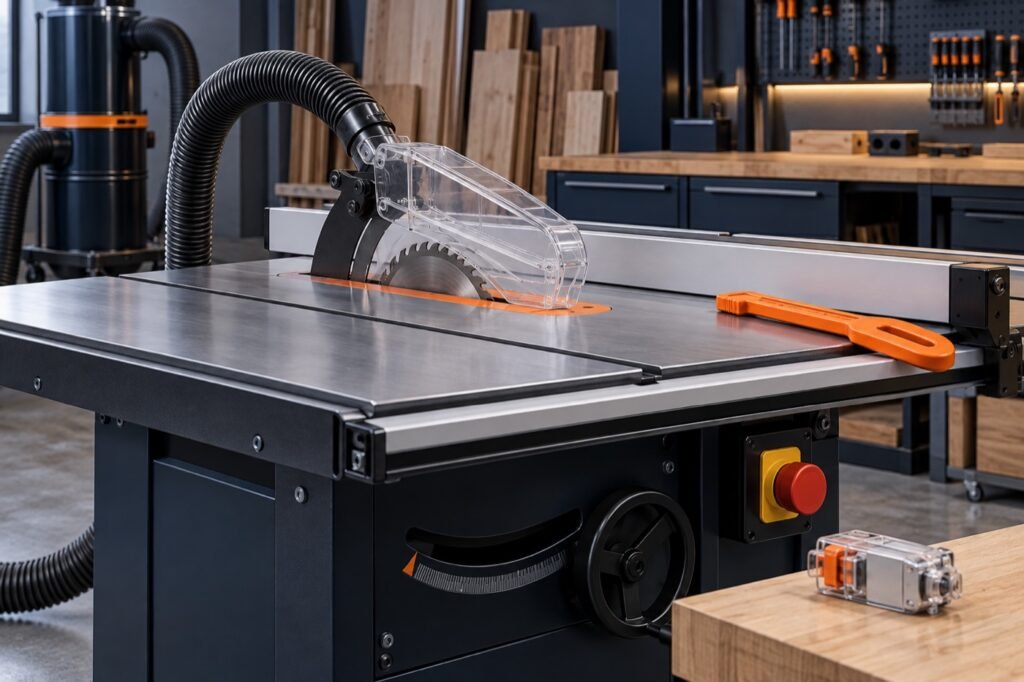
Evaluate table saw safety systems beyond one feature: guards, riving knives, anti-kickback controls, stopping technology, training and parts support.

Compare BTA, gun drilling and peck drilling by diameter, depth-to-diameter ratio, coolant, chip evacuation, accuracy and production volume.

Evaluate DLC-coated exchangeable drill heads for aluminum and copper by substrate, geometry, chip evacuation, coolant and cost per hole.
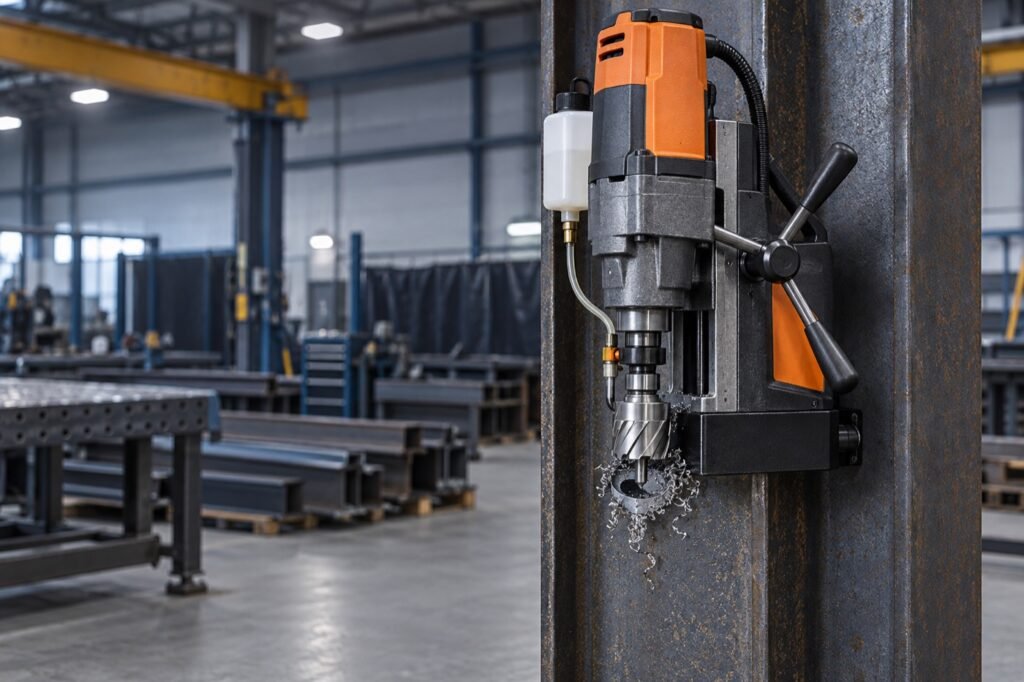
Choose a magnetic drill and annular cutter by capacity, shank, material, reach, coolant, holding force and jobsite constraints.

Prepare a circular saw OEM inquiry with application, configuration, documentation, packaging, service and comparable quotation lines.